

Tropic raises US$105M to scale gene-edited bananas with extended shelf life
According to CEO Gilad Gershon, demand currently exceeds supply.
UNITED KINGDOM – Tropic, a Norwich-based biotechnology company, has secured US$105 million in Series C funding to scale commercial production of its gene-edited banana varieties and advance development of climate-resilient crops.
The round, co-led by Forbion Bioeconomy Fund and Corteva Catalyst, includes participation from Temasek, ABN Amro, and Sucden Ventures, reflecting strong investor confidence in agricultural biotechnology.
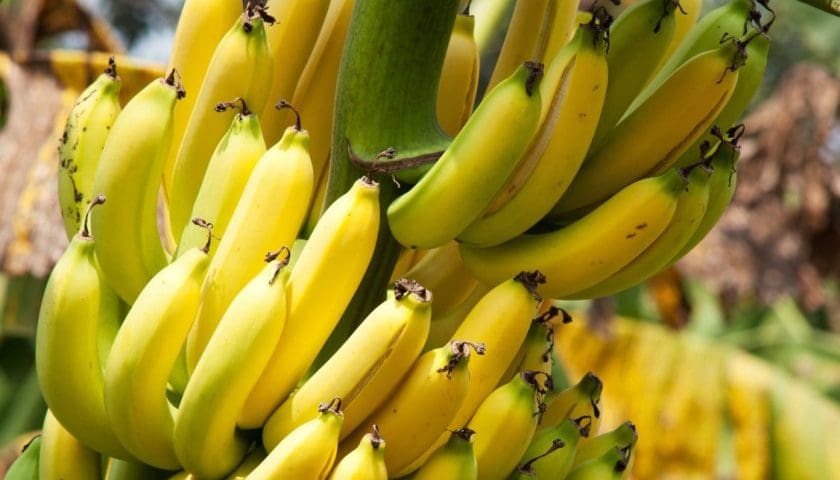
The financing follows Tropic’s 2025 commercial launch of what the company describes as the first new banana varieties introduced in more than 75 years. These include non-browning bananas and varieties with extended shelf life designed to remain marketable for an additional 12 days beyond conventional fruit.
According to CEO Gilad Gershon, demand currently exceeds supply. “2025 proved that our technology delivers, not in the distant future, but right now,” Gershon stated. “With two banana varieties already on the market and demand outstripping supply, this investment enables us to scale global production and expand into new crops faster than ever before,” he added.
These gene-edited bananas represent an operational transformation. Hotels, restaurants, and catering operations that source fresh fruit face significant spoilage losses, particularly across fragmented cold chain networks.
However, the implications extend beyond hospitality. Retailers gain longer by selling windows, reducing markdowns and shrinking. Food processors benefit from stable raw material quality.
On the other hand, exporters serving distant markets face fewer rejection risks at destination. As for African smallholder farmers, disease-resistant varieties offer protection against Panama Disease (TR4), which has spread across more than 20 countries and threatens global production.
Further, Tropic’s TR4-resistant program shipped plants for mother plantation establishment in 2025, with commercial deployment expected from 2027.
In addition, the UN Food and Agriculture Organization estimates that sub-Saharan Africa loses approximately 30% to 40% of fresh produce post-harvest. Each additional day of shelf life translates to measurable reductions in waste, improved farmer incomes, and lower consumer prices.
Joy Faucher, General Partner at Forbion, noted that Tropic “has proven its leading position in addressing these threats by bringing its innovative technology to market and providing durable, scalable, and resilient solutions to growers.” Tom Greene of Corteva emphasized how gene editing delivers “new and improved choices for farmers and consumers worldwide.“
As Tropic scales production expands its pipeline, the US$105 million investment signals that agricultural biotechnology has moved from laboratory promise to commercial reality, offering tangible solutions for food security across the Middle East, Africa and worldwide.
Sign up HERE to receive our email newsletters with the latest news and insights from Africa and around the world, and follow us on our WhatsApp channel for updates.