

Tyson Foods to close Nebraska beef plant amid losses
Company restructures beef operations as segment posts substantial losses; Amarillo plant shifts to single full-capacity operation.
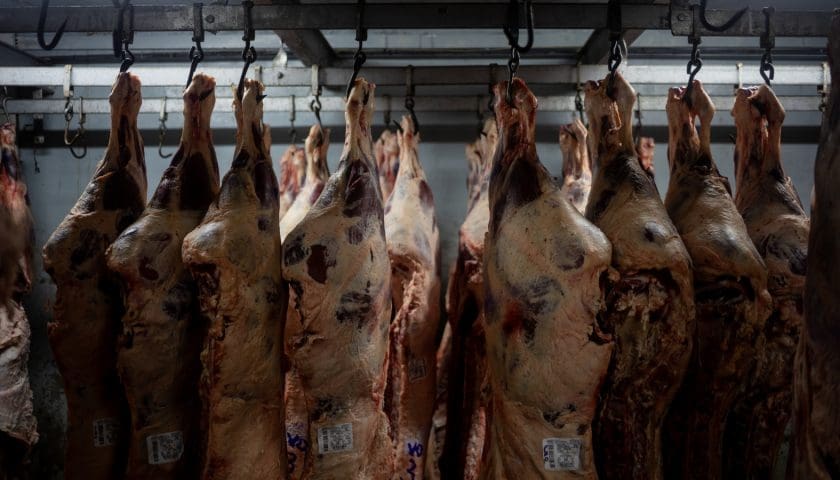
USA – Tyson Foods announced it will shut its beef-processing plant in Lexington, Nebraska, as part of a plan to adjust its struggling US beef segment.
The company revealed it will also reduce operations at its Amarillo, Texas, beef facility to a single full-capacity shift while increasing production at other plants to meet customer demand.
Tyson Foods emphasized that the measures aim to align its beef operations with longer-term business objectives.
Affected employees will be supported with opportunities to transfer to other Tyson facilities, and relocation assistance will be provided.
The decision follows a challenging fourth quarter in fiscal 2025, during which limited cattle supplies pushed the beef segment further into the red.
For the quarter, the beef division recorded an adjusted operating loss of US$94 million, compared with a US$71 million loss in the same period a year earlier.
Revenue for the segment increased to US$5.49 billion from US$5.26 billion, driven by a 17% rise in average prices, while total volumes declined by 8.4%.
For the full fiscal year 2025, Tyson Foods’ beef segment posted an adjusted operating loss of US$426 million, widening from a US$291 million loss in the previous year, despite sales rising to US$21.6 billion from US$20.5 billion.
The overall value of beef sales grew due to higher prices, but the volume sold dropped by 1.9% for the year.
Tyson Foods president and CEO Donnie King described beef as the company’s only underperforming segment, projecting that chicken sales will compensate in fiscal 2026.
The company expects the beef segment to record an adjusted operating loss between US$400 million and US$600 million in the upcoming year.
The US Department of Agriculture predicts domestic beef production will decline by an additional 2% in fiscal 2026, contributing to ongoing supply pressures.
King cited record-low cattle supplies caused by drought, potential herd rebuilding, and outbreaks of the new world screwworm in Mexico as key market challenges.
Tyson’s newly appointed COO Devin Cole and King noted that the trend of retaining female cattle for breeding or milk production could further restrict the supply of market-ready animals.
King added that continued heifer retention will reduce available beef in the near term, delaying any increase in supply until future years, while consumer preferences are expected to shift in favor of chicken at retail and foodservice channels.
Sign up HERE to receive our email newsletters with the latest news and insights from Africa and around the world, and follow us on our WhatsApp channel for updates.