Uganda considers ban on Kenyan farm-gate buyers over low prices, early harvests
Kenyan traders rely on direct sourcing to cut costs and ensure freshness for time-sensitive products.
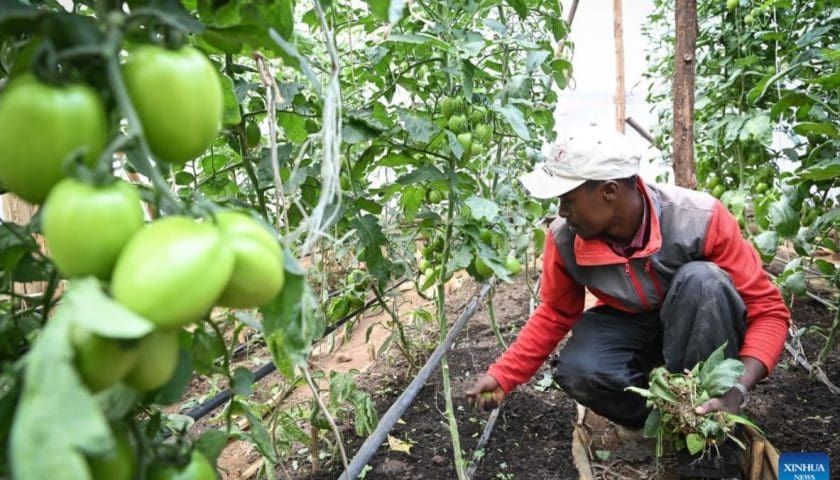
UGANDA – Traders and sector representatives in Uganda are calling for restrictions on Kenyan buyers who source produce directly from farms, citing concerns over pricing, handling, and market structure.
The proposal, raised during March and April 2026, seeks to limit transactions to designated markets or border points rather than allowing farm-gate purchases.
Richard Welishe of the National Avocado Federation of Uganda explained: “These Kenyan traders have become a problem because they deal directly with farmers while others buy produce before it matures.”
He stated that purchasing watermelons and sugarcane directly from farms is associated with lower farm-gate prices and concerns about food security.
Furthermore, authorities have called on the Ministry of Trade to restrict direct farm access and instead require transactions through buying centres or collection points.
However, State Minister for East African Community James Magode Ikuya warned that routing trade through intermediaries could increase logistics costs, which already account for 30% to 40% of the value of Kenyan perishable goods.
Kenyan traders rely on direct sourcing to cut costs and ensure freshness for time-sensitive products. Additional handling at collection points would add transit time, reduce shelf life, and increase spoilage.
For instance, farmers in Tororo, Elgon, Teso, Karamoja, and Bukedi report that cross-border buyers already bypass local markets and negotiate prices directly at the farm level.
However, the East African Community Common Market Protocol does not allow restrictions on the movement of goods. Magode stated that if enforced, this ban would disrupt supply chains for Kenyan traders who rely on direct sourcing.
The proposed restrictions highlight tension between protecting local market structures and maintaining efficient supply chains for perishable exports.
Magode noted that a united Africa creates a massive unified market, allowing the continent to move away from relying on external powers. However, he added that integration challenges include diversity, governance, and cross-country coordination.
Ultimately, the outcome of this dispute will test whether Uganda can balance farmer protection with EAC treaty obligations.
For Kenyan traders and Ugandan farmers, efficient cross-border trade in fresh produce supports livelihoods on both sides. Officials have called for a balanced approach to address farmer concerns while maintaining trade flows.
Roadside transit cargo stations may offer a compromise that improves monitoring without disrupting supply chains. The Ministry of Trade has not yet issued a formal response to the restriction proposal.
Sign up HERE to receive our email newsletters with the latest news and insights from Africa and around the world, and follow us on our WhatsApp channel for updates.