
Ukraine poultry output expected to rise despite war-related challenges
Producers face higher costs and operational disruptions amid conflict
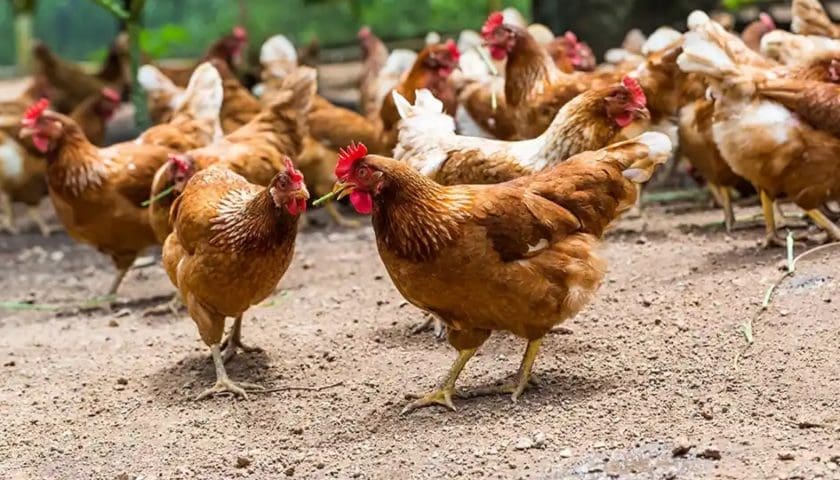
UKRAINE – The US Department of Agriculture’s Foreign Agricultural Service (USDA FAS) projects Ukraine’s 2026 poultry production to exceed last year’s output, reflecting gradual adaptation to the country’s altered operational environment.
Persistent risks tied to the ongoing conflict include interruptions in production due to extended power outages, elevated costs from reliance on alternative electricity sources, reduced domestic demand from population displacement, and labour shortages caused by conscription and staff turnover.
Producers also contend with logistical bottlenecks, limited cold storage capacity, and extreme winter conditions during 2025/2026, which required additional heating and further work disruptions during air alert periods.
Many poultry companies slowed output in the latter half of 2025 while investing in energy-generation equipment to maintain operations under an unstable electricity supply.
Ukraine’s vertically integrated poultry industry mitigates some pressures by allowing profits from crop production, trading, oilseed processing, and commodity exports to offset losses in chicken meat output, but overall production still fell in 2025, prompting many firms to seek domestic and international financial support.
The largest producers, MHP SE and Dniprovsky, restructured debts to secure greater operational flexibility for 2026, with industry analysts expecting output to recover to roughly 2024 levels, though significant growth beyond that appears unlikely.
Production costs rose across the sector during 2025 and early 2026, despite a drop in feed costs following a soybean surplus, as prices for other inputs continued to climb, placing additional financial pressure on poultry firms.
Labour shortages and the need to retrain new staff were reported by meat processors, who also observed a growing proportion of women and older employees, partly shielded from conscription, and salary increases for remaining workers to retain critical personnel.
Energy expenses surged as producers relied on diesel-powered generators during prolonged blackouts, with higher fuel and maintenance costs driving up chicken meat prices.
However, chicken remains the cheapest source of animal protein, accounting for roughly 50% of all animal protein consumed in Ukraine.
Disease outbreaks continue to pose a risk for production and exports.
However, no highly pathogenic avian influenza (HPAI) cases were detected in commercial poultry in 2025, with only a single non-poultry HPAI case reported in northern Ukraine.
Overall, while Ukraine’s poultry industry faces multiple war-related challenges, careful adjustments in production, debt management, and labour strategies are expected to stabilise output in 2026, with limited potential for expansion beyond pre-war levels.
Sign up HERE to receive our email newsletters with the latest news and insights from Africa and around the world, and follow us on our WhatsApp channel for updates.