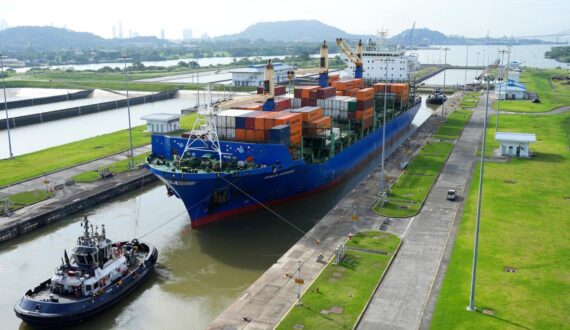

US imposes 35% tariff on Brazilian table grapes as Abrafrutas urges market diversification
Brazilian exporters are now focusing on identifying alternative markets in Europe, Asia, and the Middle East to offset potential losses in the US market.
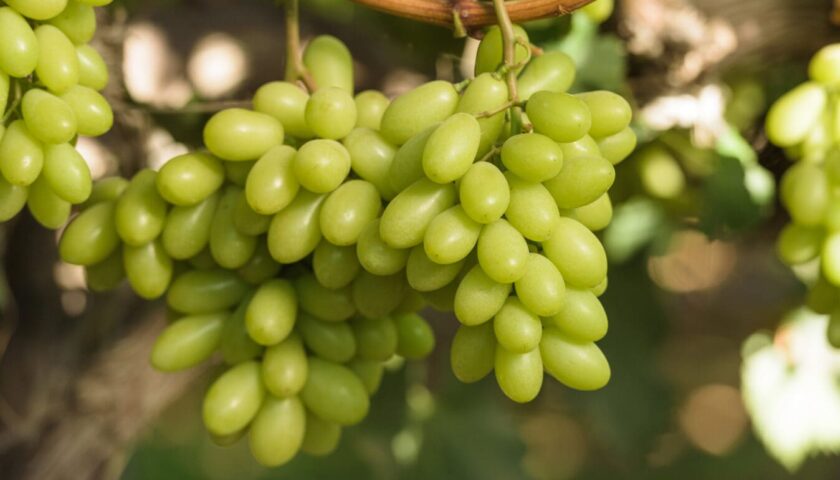
BRAZIL – The United States has implemented a minimum 25% additional tariff on thousands of Brazilian products, raising the total tariff on table grapes to 35% and prompting the Brazilian Association of Producers and Exporters of Fruits and Derivatives to advise members to diversify global markets.
The July 15 decision, rooted in allegations of unfair trade practices and environmental concerns, significantly impacts the fruit industry. The extra 25% tariff is the result of an investigation initiated in 2025 after the Trump Administration accused Brazil of engaging in unfair trade practices.
Among the allegations, the United States claims that Brazil has given unfair treatment to US technology companies, made insufficient efforts to combat bribery and corruption, allowed illegal deforestation, and failed to protect intellectual property rights.
Furthermore, table grapes are among the main fruit products Brazil exports to the US. In 2025, the country sent around 14,000 metric tons, valued at approximately US$41.5 million. For instance, the new 35% tariff also affects Brazilian melons and watermelons.
Abrafrutas reported that it is already working with producers and exporters to guide the sector on necessary procedures and assess initiatives to mitigate the tariff’s effects. These include diversifying destination markets and implementing new commercial strategies to minimize losses for producers.
Additionally, the industry body recalled that the sector has faced similar challenges in the past, citing tariff measures applied last year that especially affected Brazilian mango exports to the United States.
The association emphasized that Brazilian fruit growing has international recognition for the quality of its products, efficiency of its production chain, and capacity to adapt to adverse scenarios. The organization remains confident that the sector can adapt by leveraging its reputation for high-quality production and historical resilience against trade barriers.
Abrafrutas assured that it will continue working with producers, exporters, and government agencies to defend the competitiveness of Brazilian fruits in international markets and seek solutions that allow preserving exports and protecting the sustainability of the sector.
Brazilian exporters are now focusing on identifying alternative markets in Europe, Asia, and the Middle East to offset potential losses in the US market.
In the end, the impact will depend on the sector’s ability to implement effective diversification strategies and to secure government support for trade promotion initiatives.
Sign up HERE to receive our email newsletters with the latest news and insights from Africa and around the world, and follow us on our WhatsApp channel for updates.