

Panama Canal reports 5.2% transit growth, prepares for El Niño restrictions
Despite these successes, officials are bracing for a severe El Niño event that could necessitate operational restrictions on vessel weight and daily transits.
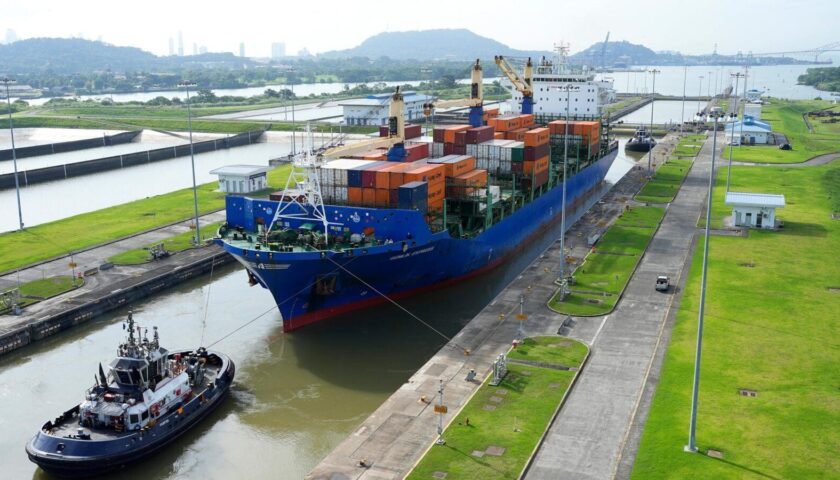
PANAMA – The Panama Canal has reported a 5.2% increase in total transits and a 7.2% rise in cargo tonnage during the first nine months of fiscal year 2026 while preparing for potential operational restrictions ahead of a severe El Niño event.
As at 30 June, the canal averaged 35 transits per day, with 10,726 transits recorded for the period, compared with 10,191 in the same period of FY2025. Cargo volume reached 389.96 million PC/UMS tons, up from 363.66 million PC/UMS tons a year earlier.
Panama Canal Administrator Dr. Ricaurte Vásquez Morales attributes the growth primarily to container ships and liquefied petroleum gas carriers.
Dr. Vásquez says: “Our strategic initiatives continue to advance with both the port terminal and pipeline projects entering the final prequalification stage, alongside continued progress on the Río Indio reservoir and the Logistics Corridor project.”
Financial Performance and Cargo Trends
Víctor Vial, Vice President of Finance, reports revenues of US$4,802 million for the nine-month period, a 17% year-over-year increase, with net income totalling US$3,614 million, up 19% from the same period last year.
Vial adds: “We continue to strengthen our balance sheet, which is essential for the investments ahead. Demand has also remained very strong.”
El Niño Preparedness and Operational Restrictions
On El Niño preparedness, the probability of a severe event has risen from 25% in April to 81% as of July. Dr. Vásquez warns that “capacity restrictions will likely be implemented, not only in terms of draft limitations but also through reductions in the number of daily booking slots,” with timing and scope dependent on market conditions.
These would be the first such restrictions in nearly two years, following heavy rainfall throughout 2025 and an unusually wet 2026 dry season, which kept reservoir levels above normal.
However, despite these successes, officials are bracing for a severe El Niño event that could necessitate operational restrictions on vessel weight and daily transits.
Infrastructure Projects
To combat long-term water scarcity, the administration is prioritizing infrastructure projects, including the Río Indio reservoir and regional logistics corridors.
Ultimately, through community engagement and advanced engineering, the canal is working to secure its future as a vital global trade route, and the administration remains prepared to implement operational adjustments as needed to sustain long-term growth and service reliability.
Sign up HERE to receive our email newsletters with the latest news and insights from Africa and around the world, and follow us on our WhatsApp channel for updates.