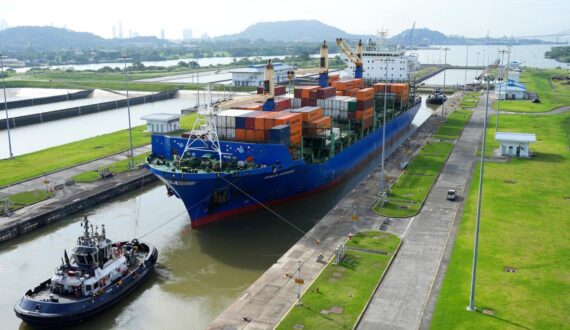
Indian banana exports face spoilage as Strait of Hormuz closure extends shipping time
The industry is compelled to adapt its preservation technologies to withstand geopolitical instability affecting global trade.
INDIA – The ongoing conflict between Iran and the United States has caused severe logistical hurdles for Indian banana exports destined for the Middle East, with crucial shipping routes through the Strait of Hormuz currently obstructed and transit times doubling or even tripling.
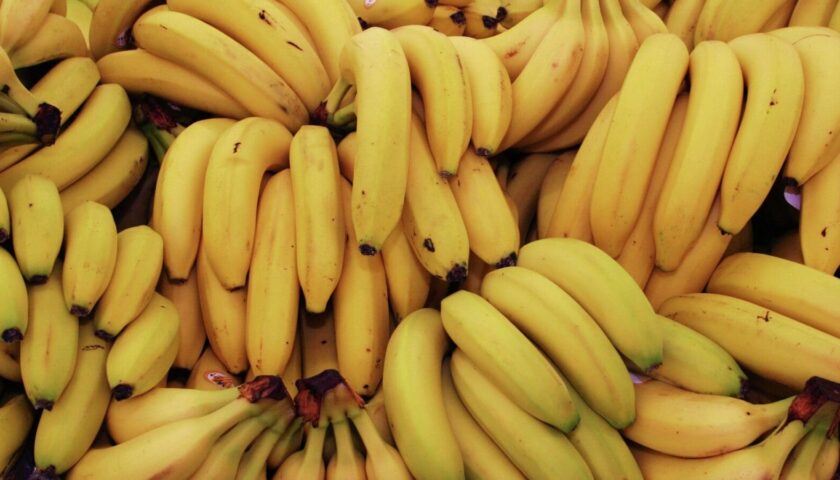
According to R. Selvarajan, director of the ICAR–National Research Centre for Banana, India was a major exporter of Grand Naine bananas to Iran and Iraq, and of Nendran bananas to Gulf Cooperation Council countries, before the war.
“The transit time for shipping used to be just one week to 10 days. Now, due to political tensions and the closing of shipping at the Strait of Hormuz, the consignments are held up for 20 to 25 days, causing a lot of fruit damage,” he said.
Furthermore, these extensive delays frequently cause significant fruit spoilage, ruining large shipments that were once delivered within ten days. The closure of the Strait of Hormuz has effectively cut off the most direct maritime route for Indian banana exports to West Asian markets.
As a result, exporters face a critical challenge in maintaining fruit quality during extended transit periods, as bananas are highly perishable and require precise temperature and handling conditions to prevent premature ripening and decay.
In response, the NRCB has been training exporters in techniques to delay the ripening of harvested bananas, helping to preserve the fruit during extended shipping times. These methods aim to prolong the ripening process, allowing the produce to withstand longer periods at sea.
The centre is educating traders in specialized preservation techniques, including modified-atmosphere packaging, controlled-temperature management, and ethylene-suppression treatments that slow the natural ripening process.
Moreover, the industry is compelled to adapt its preservation technologies to withstand geopolitical instability affecting global trade. Exporters are exploring alternative shipping routes and logistics strategies to minimize delays, though these options often entail higher costs and limited capacity.
Additionally, Indian banana exporters are adapting by investing in better packaging, improved cold chain management, and the development of alternative markets. The situation highlights the vulnerability of global food supply chains to geopolitical tensions and the critical importance of preservation technologies in maintaining trade continuity.
Finally, the success of these adaptation strategies will determine whether Indian bananas can remain competitive in Middle Eastern markets despite the ongoing shipping crisis.
Sign up HERE to receive our email newsletters with the latest news and insights from Africa and around the world, and follow us on our WhatsApp channel for updates.