

Venky’s India swings to a loss in second quarter on weak poultry pricing
Venky’s posts a sharp net loss due to weakening broiler bird pricing.
Venky’s India recorded a net loss of US$3.2 million (₹265.3 million) in the second quarter ending September 30, 2025, reversing a profit of US$0.94 million (₹77.6 million) in the same period last year.
The company’s shares fell 7.4 percent following the results, marking their largest single-day drop in a year if losses persist.
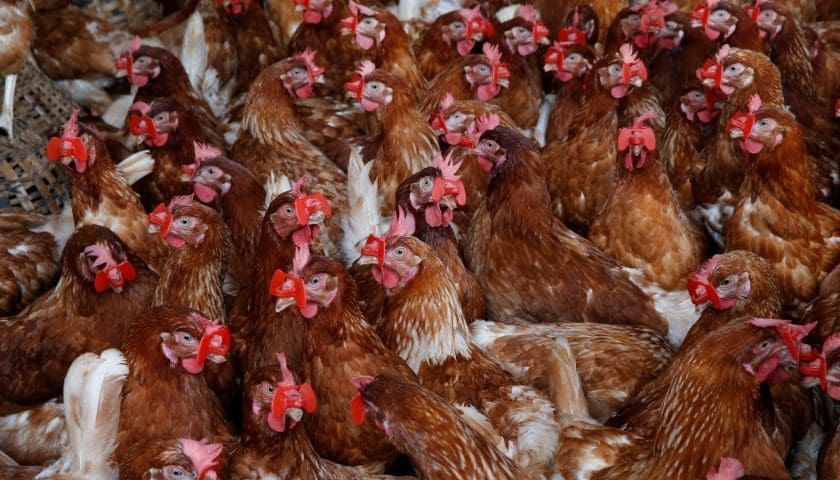
Venky’s poultry division, which contributes 44 percent of the company’s revenue, experienced an 18.6 percent decline in sales year-on-year as lower market prices for broiler birds reduced margins.
The company said seasonal factors, including the nine-day Hindu festival of Navratri, typically depress meat and egg consumption during the second and third quarters, adding to the pressure on poultry pricing.
In the first quarter, Venky’s India posted net earnings of US$1.81 million (₹158.3 million), down from US$9.1 million (₹751.8 million) a year earlier, showing a broader trend of falling poultry prices and oversupply.
The poultry segment itself swung to a quarterly loss of US$0.65 million (₹56.6 million), compared to a profit of US$10.8 million (₹827.4 million) in the prior year, as heatwaves in April triggered panic selling by farmers trying to avoid losses from potential bird deaths.
Venky’s oilseed business, which processes soybeans into edible oil and de-oiled cake for poultry feed, recorded revenue growth of 33.6 percent, driven by steady demand and higher soybean prices, partially offsetting poultry losses.
Overall revenue for the quarter increased 7.1 percent year-on-year, although the rise in expenses, which grew 19 percent, outpaced the gains from the oilseed segment.
The company is also diversifying into ready-mix spice powders as part of its expansion beyond poultry and oilseed products.
Analysts say Venky’s India faces continued pressure from seasonal consumption patterns, market oversupply, and fluctuations in broiler bird pricing, which could weigh on earnings for the coming quarters.
The latest results highlight the volatility in India’s poultry market, where pricing swings and festival-driven demand shifts regularly affect producer margins.
Despite growth in ancillary segments like oilseed, the firm’s reliance on poultry leaves it exposed to external factors beyond its control, including weather conditions and cultural consumption cycles.
Sign up HERE to receive our email newsletters with the latest news and insights from Africa and around the world, and follow us on our WhatsApp channel for updates.

