Vietnam eyes seafood byproduct industry to drive sustainability, profits
Producers turn waste into valuable products as government and private sector explore circular economy opportunities
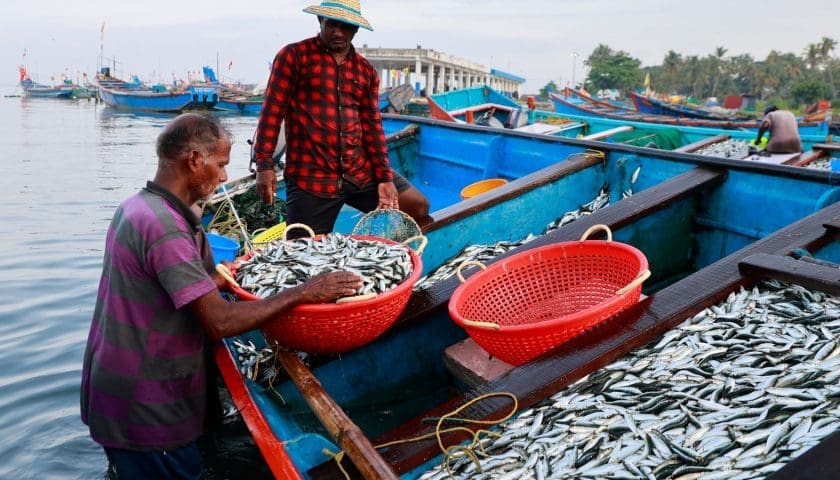
VIETNAM – Vietnam is moving to expand its seafood byproduct industry as part of efforts to improve sustainability, increase earnings, and cut waste across the seafood supply chain.
In Ho Chi Minh City, several companies are already reprocessing fish waste into products for local and export markets. Phuc Loc Co Ltd, located in Tan Hai Ward, buys around 60 tonnes of seafood byproducts daily from boats and factories to produce between 4,000 and 5,000 tonnes of fishmeal each year, generating revenues of about US$3 million to US$3.9 million.
According to company director Nguyen Thanh Loc, with improved funding and technology, the firm could raise protein content to 64 percent and help reduce fishmeal imports by up to 140,000 tonnes per year.
Similarly, Tu Hai Co Ltd in Phuoc Tuang has begun exporting cleaned and dried fish to Japan at around US$10 per kilogram, bringing in between US$379,700 and US$455,640 annually.
Chief executive Quoc Tuan said demand remains strong even though supply is still limited, adding that the segment could mark the beginning of a promising business model.
Researchers are also exploring the commercial potential of seafood waste. The Southern Research Institute for Marine Fisheries has developed crab paste and chitosan powder from mixed crab species, with chitosan—used in healthcare and agriculture—selling for up to US$1,000 per kilogram.
Creative uses for seafood waste
Beyond industrial processing, some firms are turning shells into art and souvenirs. Hai Lan Co Ltd in Ba Ria Ward collects discarded shells from restaurants and factories to create jewelry, ornaments, and decorative items priced between US$1.52 and US$759.40 each.
The company recently signed a memorandum of understanding with OSB Investment and Technology JSC, an authorized agent of Alibaba in Vietnam, to promote its shell products on Alibaba’s e-commerce platform.
Innovation is also taking root among young entrepreneurs. A student from Vung Tau High School proposed a “Workshop for Handmade Shell Products in a Beach-Themed Coffee Shop,” combining tourism and environmental awareness by allowing visitors to craft their own shell items.
Industry projections and policy direction
According to forecasts, shrimp heads could yield about 490,000 tonnes of food products, while pangasius offcuts and fish oil could add another 200,000 tonnes. Shrimp shells could supply 146,000 tonnes of animal feed, and fish bones and entrails could contribute 900,000 tonnes annually.
By 2030, shrimp byproducts are expected to reach 650,000 tonnes worth between US$80 million and US$100 million, while pangasius waste may reach 1.3 million tonnes valued at about US$500 million.
Officials say that processing seafood byproducts could create tens of thousands of jobs, enhance Vietnam’s seafood reputation, and ease environmental pressure from discarded materials.
Experts have urged the government to treat seafood waste conversion as a strategic sector rather than leaving it to market forces, highlighting opportunities in peptide extraction, enzyme production, and biodegradable materials.
At present, Vietnam generates roughly one million tonnes of seafood byproducts each year, mostly shrimp shells, crab shells, fish skin, bones, and organs. Improper disposal of this waste continues to pose pollution risks, especially in tropical areas.
The current processing value stands at about US$275 million annually, far below the estimated potential of between US$4 billion and US$5 billion.
Sign up HERE to receive our email newsletters with the latest news and insights from Africa and around the world, and follow us on our WhatsApp channel for updates.