
Walmart invests in new beef plant as it expands grip on U.S. meat industry
Retail giant’s entry into beef processing sparks concerns over growing corporate control
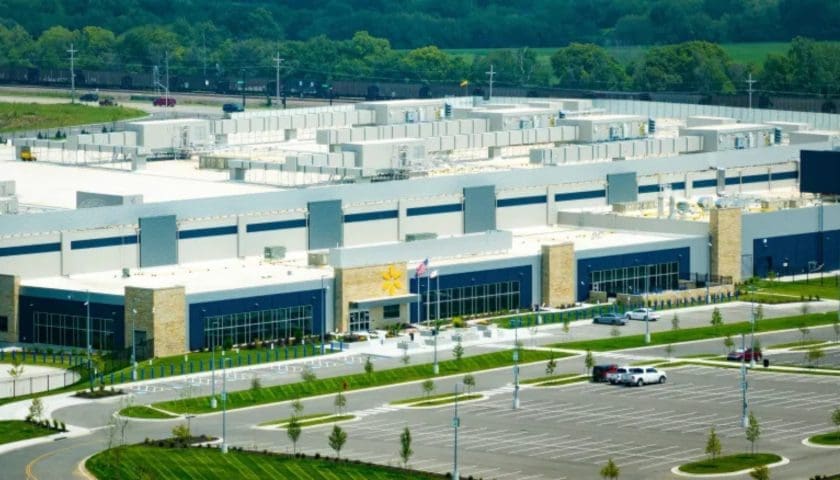
USA—Walmart, the largest retailer and private employer in the United States, is entering the beef business with the launch of its own processing facility in Olathe, Kansas.
The July opening marks a major shift for both the company and the U.S. cattle industry, signaling Walmart’s move from retail into full-scale beef production.
Kansas cattle rancher Schultz says the move is already changing the local market outlook.
Walmart is now competing with other major beef buyers and temporarily driving up cattle prices.
However, he warns that Walmart’s long-standing focus on low costs could soon lead to price suppression for ranchers, saying, “If you want a race to the bottom to produce cheaper than anyone else, Walmart’s your guy.”
This development comes as the American beef sector faces declining herds, fewer buyers, and increasing corporate concentration.
The national cattle inventory is at its lowest in decades, even as beef imports reach record highs and consumers pay more at grocery stores.
JBS, the Brazilian meat giant and world’s largest beef producer, recently went public on the New York Stock Exchange, adding to concerns about global corporate dominance.
Industry data shows nine of the ten leading beef-producing states have seen herd reductions in the past ten years, with Kansas recording a 21% drop from 1.4 million in 2016 to 1.2 million in 2025.
Mike Callicrate, who owns Ranch Direct Foods in Colorado Springs, says Walmart’s entry, alongside JBS’s U.S. stock listing, marks a breaking point for independent ranchers.
He argues that government failure to enforce antitrust laws has allowed four companies—Tyson Foods, JBS, Cargill, and Marfrig—to control nearly 85% of the U.S. beef supply.
Walmart’s Growing Footprint
This is not Walmart’s first step into beef processing, but it’s the first time the company has full control from slaughter to shelf.
In 2020, it opened a beef-cutting facility in Thomasville, Georgia, where meat from independent ranchers is sliced and packaged for Walmart stores.
The new Kansas plant, which Walmart fully owns, sources cattle through Sustainable Beef, a Nebraska-based supplier in which it holds a minority stake.
The plant serves stores across 11 states, including Missouri, Arkansas, Iowa, and Colorado, further tightening Walmart’s grip on its meat supply.
According to Walmart, the goal is to improve supply consistency and product quality, though it has no plans to open another facility soon.
Analysts say the move could reduce Walmart’s dependence on Tyson and Cargill, whose contracts represent a large share of their annual revenue.
Former Walmart U.S. CEO Greg Foran said the company’s push into meat and dairy began as a response to industry consolidation that limited supply options.
Sign up HERE to receive our email newsletters with the latest news and insights from Africa and around the world, and follow us on our WhatsApp channel for updates.