Ghana promises to replace 25% of chicken imports through local production
Target aims to produce 100,000 metric tonnes of poultry meat annually and reduce dependence on frozen imports.
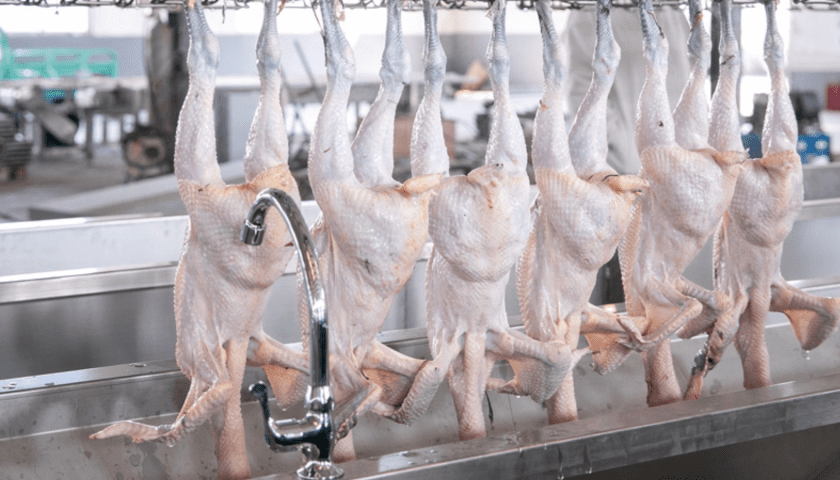
GHANA – Ghana’s poultry sector is attempting to recover market share by increasing local chicken production to cut down on the over 90% of meat currently sourced from abroad.
Frozen chicken from Europe, the United States, and Brazil continues to dominate supermarket freezers and roadside stalls, displacing local farmers and weakening the country’s food supply system.
As a result, many domestic producers have exited the market due to their inability to compete with the low prices of imports, leaving Ghana more dependent on external sources for basic protein.
In response, the government has set a production target of 100,000 metric tonnes of poultry meat per year, which would replace roughly 25% of current imports.
This would involve raising about 67 million broiler chickens annually, around 1.28 million birds every week, each weighing an average of 2.08 kilograms live, and yielding about 1.5 kilograms of meat.
While the goal is clear, the industry faces multiple bottlenecks, starting with the cost and supply of animal feed.
To feed 67 million birds, producers would require approximately 222,000 metric tonnes of feed every year, consisting mainly of 133,000 metric tonnes of maize and 78,000 metric tonnes of soya meal.
Feed makes up the bulk of production expenses, and without affordable inputs, scaling up will remain difficult for many farmers.
Government intervention in maize and soya farming—including seed support, modern cultivation methods, and improved post-harvest storage—has been identified as a key requirement for reducing feed costs.
Hatcheries and Processing Facilities Remain Underdeveloped
In addition to feed, Ghana would need to produce around 1.35 million day-old chicks weekly to meet its targets, which demands access to over 1.6 million fertile eggs.
Existing hatcheries are struggling with outdated machinery and limited capacity, with calls growing for public and private investment in modern breeding and hatching infrastructure.
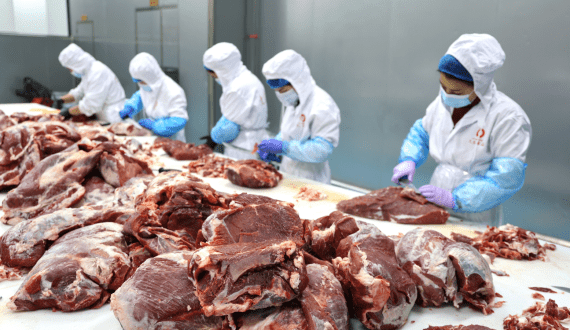
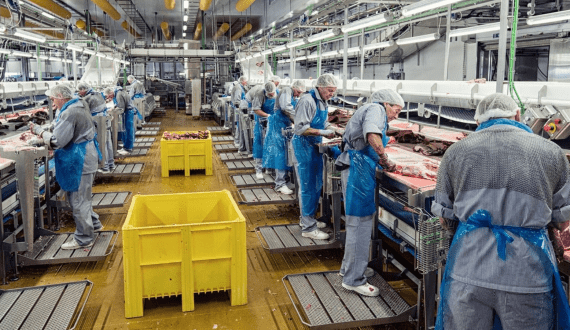
Processing is another area of concern, with much of the sector relying on informal slaughter operations that lack proper sanitation and refrigeration.
Experts say at least 40 processing plants, each capable of handling 2,000 birds per hour, would be necessary to process the expected output.
Regulation and Farmer Organisation
Alongside infrastructure gaps, policy changes are being discussed, including a phased approach to limiting chicken imports to give domestic producers a better footing.
Institutional demand through government-backed school meals and hospital procurement is also being explored as a way to boost consumption of locally produced meat.
Most poultry farmers currently work alone or in small groups, limiting their access to affordable inputs, credit, and large markets.
Stakeholders say stronger farmer cooperatives could solve this by improving coordination, bulk buying, and shared access to production facilities.
With the right mix of investment, planning, and regulation, Ghana may be able to reach its 25% local replacement goal and revive its struggling poultry industry.
Sign up HERE to receive our email newsletters with the latest news and insights from Africa and around the world, and follow us on our WhatsApp channel for updates.