

U.S. red meat imports surge to 1.61M tons in 2025
Argentina emerges as a growing supplier under expanded trade quotas.
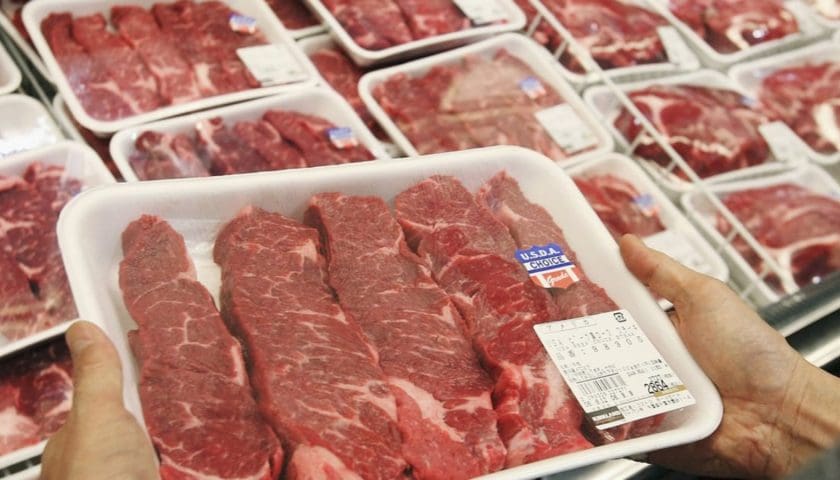
USA – The United States imported 1.61 million tons of beef in 2025, a 9% increase compared to the previous year.
Australia remained the largest supplier, with 460,000 tons, followed by Canada at 275,000 tons, Brazil at 232,000 tons, Mexico at 230,000 tons, and New Zealand at 180,000 tons; Argentina contributed 39,000 tons.
January 2026 saw Argentine shipments jump 118% year-on-year, reaching 5,900 tons in a single month.
If Argentina reaches its new total quota of 100,000 tons, it would rank seventh among global beef exporters to the U.S.
The additional 80,000-ton quota mainly consists of lean trimmings, used to blend with high-fat U.S. beef trimmings to produce lean ground beef preferred by American consumers.
Analysts say the imports complement U.S. production rather than replace it, allowing domestic trimmings with higher fat content to maintain value.
The increase in imports comes as U.S. cattle herds shrink, with total cattle stocks at 86.2 million head as of January 1, 2026, the lowest since 1951.
The number of weaned calves fell to 32.9 million, marking the lowest level recorded since 1941.
Rising prices are encouraging ranchers to sell heifers for slaughter instead of keeping them for breeding, delaying herd recovery until at least 2027.
Light feeder calves are trading at approximately US$10.00 per kilogram live weight, while finished steers fetch around US$8.00 per kilogram carcass weight.
Despite strong domestic prices, the U.S. trade deficit in beef has reached more than 1.6 million metric tons annually.
Projections indicate that Brazil could surpass the U.S. to become the world’s leading cattle producer by the end of 2025.
Global demand remains high, with buyers in Europe, the Middle East, Southeast Asia, and China increasing their beef purchases alongside the U.S. market.
For countries like Argentina, 2026 offers an opportunity to expand into high-value markets as U.S. production is expected to fall by another 3.6% this year.
Sign up HERE to receive our email newsletters with the latest news and insights from Africa and around the world, and follow us on our WhatsApp channel for updates.