Zimbabwe blueberry exports surge 351% as high-value horticulture transforms agricultural economy
The country secured a phytosanitary agreement in 2025 that allows its blueberries to enter the Chinese market.
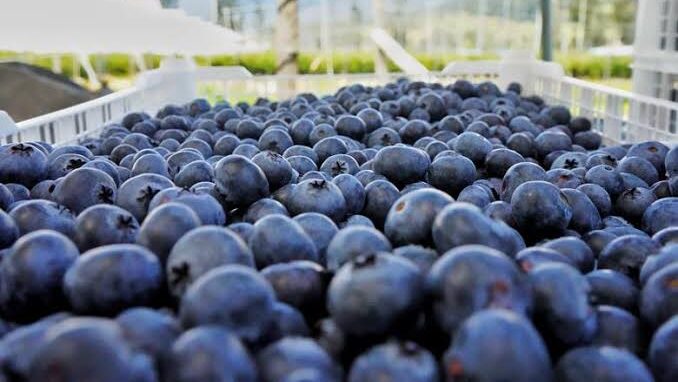
ZIMBABWE – Zimbabwe is experiencing a massive agricultural transformation, shifting from traditional bulk crops toward high-value horticulture led by the blueberry industry, with export revenues increasing 351% since 2017.
First, the scale of expansion has been significant. Zimbabwe’s berry export revenues increased from approximately US$11 million in 2020 to US$50.1 million in 2024, representing a 351% increase in four years.
Over the same period, export volumes rose from approximately 2,503 tons to 6,240 tons. Zimbabwe exported around 9,500 tons of blueberries in 2025, produced on approximately 650 hectares.
By 2026, the planted area is expected to increase to around 850 hectares, with export volumes estimated at approximately 12,000 tons. The emergence of this industry is particularly striking considering blueberries were virtually absent from Zimbabwe’s commercial agricultural landscape just over a decade ago.
Furthermore, the primary drivers of Zimbabwe’s rapid blueberry growth include favourable growing conditions in higher altitude areas, suitable temperatures, a relatively long production window, and proximity to relevant markets in Europe and the Middle East.
The strategic harvest window allows Zimbabwe to supply European and Asian markets during their off-seasons, providing a competitive advantage in premium fruit markets.
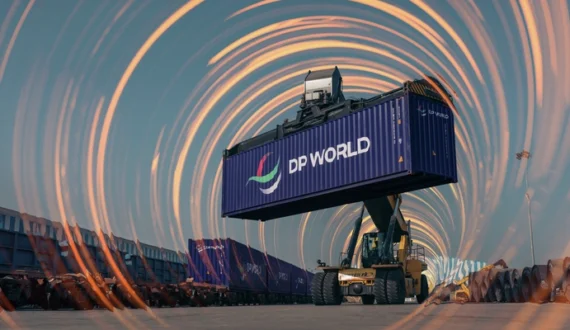
Moreover, the industry has attracted significant foreign investment and created complex logistics chains that support the export of high-value perishable products.
For instance, China’s market entry could reshape Zimbabwe’s agricultural economy by providing access to one of the world’s largest and fastest-growing premium fruit markets. The country secured a phytosanitary agreement in 2025 that allows its blueberries to enter the Chinese market.
However, the industry faces infrastructure and financial challenges. Blueberry production requires irrigation, specialized plant material, fertigation systems, protective infrastructure, packing facilities, and reliable cold chain logistics.
Industry estimates have previously placed establishment costs in the tens of thousands of dollars per hectare, making access to long-term agricultural financing a critical factor. As a result, the Horticultural Development Council has requested incentives and better access to patient capital to enable the industry to expand.
Therefore, to ensure lasting success, the industry aims to integrate small-scale farmers through contract farming, long-term financing, technical support, supply aggregation, and shared cold-chain infrastructure and packing plants.
Finally, the challenge will be to ensure that this new horticultural economy has a broad base and does not remain concentrated in a small number of capital-intensive commercial producers.
Sign up HERE to receive our email newsletters with the latest news and insights from Africa and around the world, and follow us on our WhatsApp channel for updates.