

Pakistan mango exports drop by 66% as market access shrinks
The collapse is marked by a sharp contraction in global reach, as formerly significant buyers, such as Afghanistan, have stopped imports entirely.
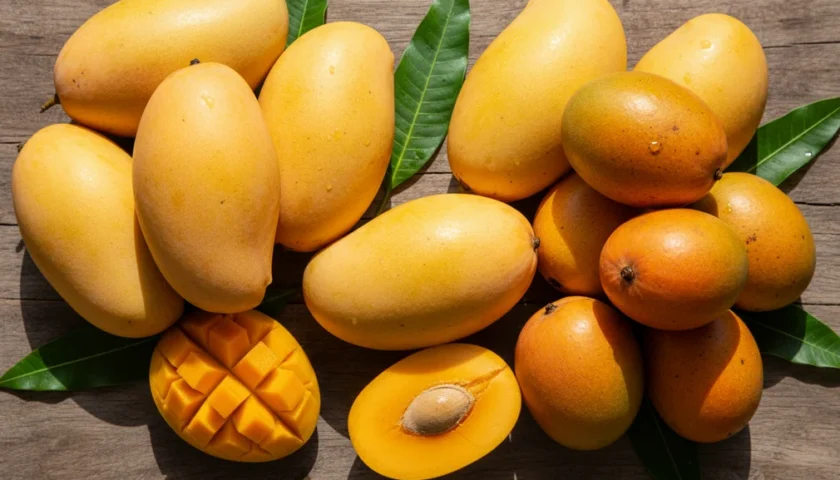
PAKISTAN – Pakistan’s mango exports have fallen sharply, down 66% over the past two years to 44,882 metric tons in 2026, compared with 132,587 tons in 2024, according to data from the Department of Plant Protection.
The decline has been steady, with shipments reaching 116,011 tons in 2025 before falling further this year. Additionally, the number of destination markets has fallen sharply, with exports reaching only 34 countries in 2026, compared with 77 in previous seasons.
Iran leads purchases in 2026 with around 20,336 tons, followed by the UAE at 10,068 tons and Oman at 6,359 tons. In Europe, the United Kingdom has received 3,439 tons, and Norway 518 tons. Smaller volumes were shipped to the United States (248 tons), Canada (227 tons), and Malaysia (104 tons).
In addition, several long-standing markets have recorded significant declines. For instance, Afghanistan imported 23,403 tonnes from Pakistan in 2025 but has recorded no imports in 2026. Saudi Arabia’s purchases fell from 2,386 tonnes last year to 710 tonnes this year.
Industry sources attribute the decline to a lack of cold-chain facilities, inadequate certification support, weak market development, and insufficient trade diplomacy. Exporters say rising costs and poor infrastructure are making it increasingly difficult for Pakistani mangoes to compete internationally.
Moreover, growers report weaker farm-gate prices and difficulty selling their produce. The collapse is marked by a sharp contraction in global reach, as formerly significant buyers, such as Afghanistan, have stopped imports entirely.
The primary factors driving the decline include dilapidated infrastructure, a lack of cold-chain facilities, insufficient government diplomatic efforts to maintain trade routes, and rising operational costs for exporters.
Pakistan’s global market reach has changed dramatically, falling from 77 active markets to just 34. This represents a loss of access to 43 markets over two years, severely limiting export opportunities.
To reverse this trend, industry leaders are calling for urgent state intervention to modernize logistics and ensure compliance with international sanitary standards.
Therefore, the improvements needed include upgrading cold-chain infrastructure, supporting air freight, providing certification support, and restoring access to lost markets.
Lastly, industry representatives urge the government to improve compliance with international sanitary and phytosanitary standards and restore access to lost markets.
Sign up HERE to receive our email newsletters with the latest news and insights from Africa and around the world, and follow us on our WhatsApp channel for updates.