

South African fruit industry exports 4.4 million tonnes globally amid infrastructure, logistics challenges
Phytosanitary compliance is essential to prevent pest interceptions that could lead to costly shipment rejections.
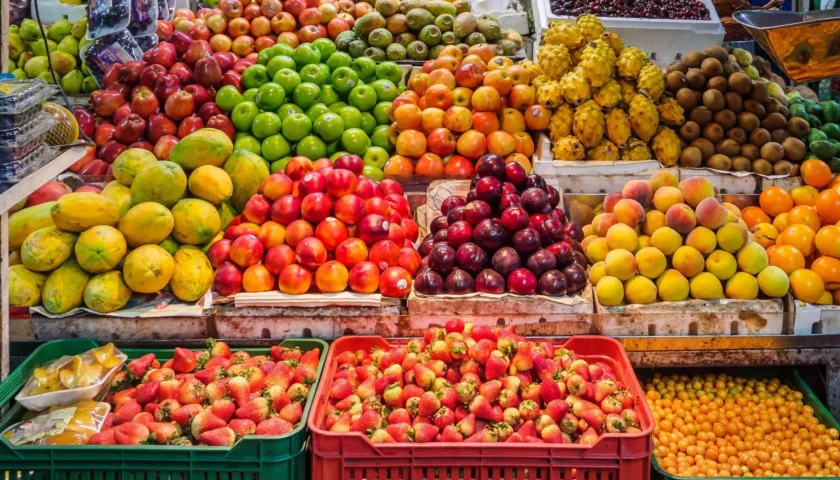
SOUTH AFRICA – South Africa’s fresh fruit industry has grown remarkably over the past century, now supplying more than 100 export destinations worldwide. During the 2024/25 season, the sector produced 6.7 million tonnes of fruit and exported 4.4 million tonnes.
To begin with, competition among southern hemisphere suppliers remains intense, making market access a constant priority. Therefore, maintaining strong trade relationships depends on reliable market intelligence, close collaboration across the value chain, and effective cooperation with government.
However, exporters face numerous risks beyond their control, including weather-related delays, port disruptions, currency volatility, and fluctuating prices. These factors can compromise fruit quality and reduce returns, adding pressure to an already demanding industry.
One of the most pressing challenges is the ongoing congestion at the Port of Cape Town. The industry continues to engage with port authorities to find lasting solutions, as equipment failures and delays threaten the competitiveness of South African fruit in global markets.
In addition, commercial fruit production also requires heavy investment in infrastructure, compliance with strict phytosanitary and sanitary standards, cold chain logistics, quality assurance, and access to well-adapted cultivars.
Cold chain management plays a critical role in preserving fruit quality during long-distance shipping. Without reliable temperature-controlled transport, perishable produce can spoil before reaching consumers.
Similarly, phytosanitary compliance is essential to prevent pest interceptions that could lead to costly shipment rejections. Larger, better-resourced producers are often more resilient to disruptions, while first-generation growers may struggle to absorb such shocks, highlighting the need for targeted support to new entrants.
On the other hand, exporters provide much more than shipping services. They offer market access. In this environment, industry organizations play a vital role in supporting producers. Fruit South Africa represents six key bodies: Berries ZA, the Citrus Growers’ Association of Southern Africa, the Fresh Produce Exporters’ Forum, Hortgro, the South African Table Grape Industry, and the Subtropical Growers’ Association.
Funded through producer levies, these organizations deliver research, market intelligence, compliance support, financial guidance, communication, and government advocacy. For instance, ongoing collaboration at the Port of Cape Town demonstrates the importance of coordinated efforts to resolve infrastructure bottlenecks.
Finally, the sector’s long-term competitiveness will be shaped by its ability to adapt to changing market conditions and continue delivering high-quality produce to consumers around the world.
Sign up HERE to receive our email newsletters with the latest news and insights from Africa and around the world, and follow us on our WhatsApp channel for updates