

Ghana allocates 500 hectares to tomato cultivation to cut imports, boost local production
By researching optimal crop varieties and modernizing its approach, ICOUR seeks to restore its standing as a premier hub for high-quality produce.
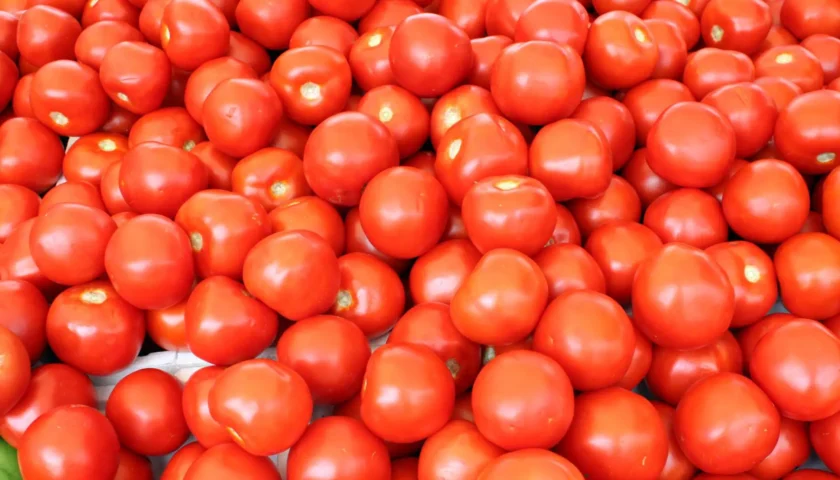
GHANA – The Irrigation Company of Upper Region Limited has allocated 500 hectares across the Tono and Vea Irrigation Schemes for tomato production, aiming to reduce Ghana’s heavy reliance on imports following recent trade complications with Burkina Faso.
According to Managing Director Dr Dominic Atogumsekiya Anarigide, the initiative follows a directive from the Minister for Food and Agriculture, issued after trade disruptions in 2025 and early 2026 linked to Burkina Faso’s focus on domestic Agro-processing and attacks on Ghanaian tomato traders.
Government data shows that Ghana spends between US$61.2 million and US$71.6 million annually on tomato imports, plus more than US$400 million on processed tomato paste and concentrate. This substantial import bill has prompted the government to seek domestic alternatives.
Furthermore, ICOUR was known nationally and internationally as a hub for producing quality tomatoes but has focused primarily on rice production in recent years. “ICOUR was known nationally and even internationally as a hub for producing tomatoes, not only tomatoes, but quality tomatoes for the region and the country. But for some time now, we have been doing only rice production, with some pepper and other crops,” Dr Anarigide said.
To ensure the project’s success, ICOUR is introducing a contract-based production model that links growers with off-takers before planting. Under this arrangement, buyers will sign agreements with farmers, provide part of the production inputs, and purchase the crop after harvest.
In addition, this system secures pre-planting agreements between farmers and buyers, stabilizing the market and guaranteeing sales for growers. The company is also engaging stakeholders to identify tomato varieties suited to market requirements and to review Burkina Faso’s production model.
ICOUR said the approach is intended to address previous marketing challenges by ensuring growers have confirmed buyers before production begins. By researching optimal crop varieties and modernizing its approach, ICOUR seeks to restore its standing as a premier hub for high-quality produce.
More importantly, the initiative aims to revitalize domestic tomato cultivation, reduce reliance on imports, and strengthen food security in Ghana. The shift away from rice production towards tomatoes reflects a strategic realignment of agricultural priorities to address both trade vulnerabilities and domestic demand for fresh produce.
In the end, success in this initiative could serve as a template for other crop value chains seeking to reduce reliance on imports and strengthen local production capacity.
Sign up HERE to receive our email newsletters with the latest news and insights from Africa and around the world, and follow us on our WhatsApp channel for updates.