Uganda expands cold chain infrastructure to reduce logistics dependence on Kenya
Much of those products passes through Kenyan logistics platforms before reaching international markets, limiting the value captured within Uganda.
UGANDA – Uganda is stepping up investment in cold chain infrastructure to capture more value from its agricultural exports and reduce its long-standing dependence on Kenya’s logistics network.
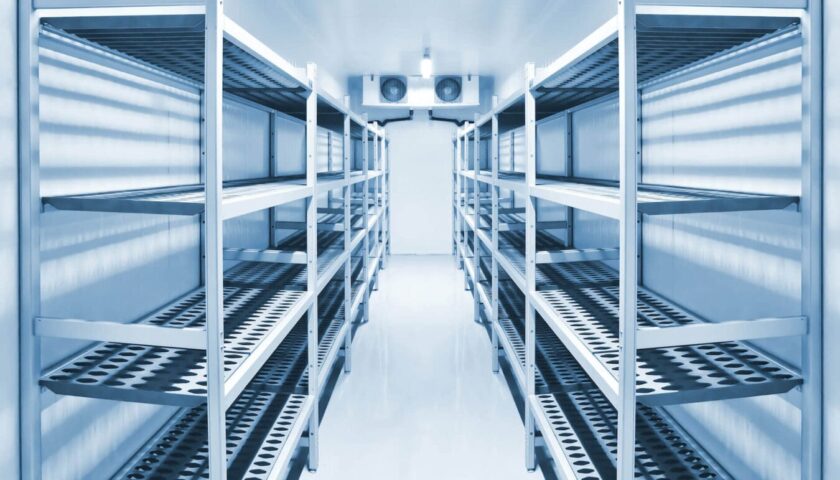
The strategy centers on building regional cold storage hubs and specialized cross-border facilities for perishable goods, allowing Uganda to handle more of its own storage, processing, and export logistics instead of relying on Kenyan infrastructure.
The initiative is outlined in the Northern Corridor Paper: Agro-Logistics Investments, a report prepared with support from several institutions, including the African Union Development Agency (AUDA-NEPAD).
According to the report, nearly 80% of Uganda’s maritime trade still moves through Kenya, reinforcing its neighbour’s dominant position along the Northern Corridor.
Strategic Vision and Regional Dependence
With the Port of Mombasa and a well-developed logistics ecosystem around Nairobi, Kenya has become East Africa’s leading hub for cold chain services, giving it a central role in exporting agricultural products from across the region.
Much of those products passes through Kenyan logistics platforms before reaching international markets, limiting the value captured within Uganda.
Therefore, by establishing regional storage hubs and specialized border export zones, the nation aims to preserve the quality of perishable goods like fish and dairy closer to their points of origin.
Cold Chain Hubs and Border Export Zones
To reverse that trend, the Ugandan government, through the Presidential Advisory Committee on Exports and Industrial Development (PACEID), plans to establish a network of regional agro-logistics hubs.
The facilities, planned for Gulu, Entebbe, and western Uganda, will include pre-cooling, cold storage, and primary processing infrastructure located close to major farming areas.
These sites will include cold storage warehouses, sanitary and phytosanitary (SPS) laboratories, and packaging facilities, transforming existing one-stop border posts into logistics hubs designed for perishable goods.
Investment Opportunities and Future Outlook
Beyond infrastructure upgrades, the strategy reflects Uganda’s ambition to strengthen its role in regional agricultural value chains. While Kenya retains an advantage thanks to its more mature logistics network, Uganda wants to build an ecosystem capable of storing, packaging, and transporting its own agricultural products.
Ultimately, through these efforts, Uganda seeks to become a competitive, self-sufficient exporter in the international agricultural market, while remaining prepared to pursue further infrastructure investments to sustain long-term growth in the agro-logistics sector.
Sign up HERE to receive our email newsletters with the latest news and insights from Africa and around the world, and follow us on our WhatsApp channel for updates.