Peruvian citrus exports drop 20% as mandarin decline offsets lemon, orange growth
Looking ahead, the long-term risks for Peruvian agriculture in 2027 include persistent climate disruptions that may further diminish yields by increasing pest activity and fungal diseases.
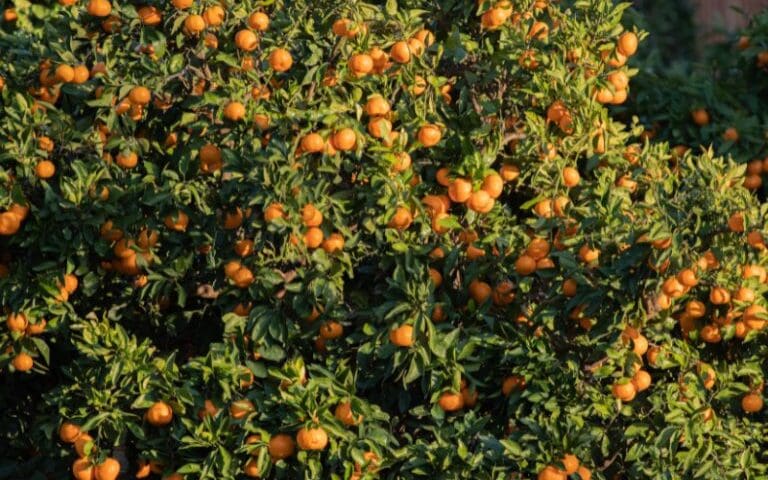
PERU – Peruvian citrus exports fell by 20% in volume during the first half of 2026, driven by a 40% decline in mandarin shipments, while lemon exports rose 5 and orange exports increased 10%.
According to Sergio del Castillo Valderrama, managing director of ProCitrus, the reduced output of early mandarin varieties was expected at the start of the season, given the natural biennial-bearing cycle typical of these varieties following 2025, which he described as “a very positive year, with significant growth.”
Additionally, favourable local market prices reduced the incentive to export early mandarins, as growers could achieve better returns by selling domestically.
Furthermore, regarding late mandarin varieties, Del Castillo said that as early as May, there were signs of a possible El Niño event and a delay in fruit development.
“In June, we realized that there would be no growth in late-season mandarin exports and that there might even be a slight decline in the volume shipped.” High temperatures hinder the peel from developing the colour required by international markets, particularly for varieties like W. Murcott and Tango.
“The late mandarin season should have gotten off to a strong start in June, but will now begin in July,” he said.
As a result, this delay concentrates supply into just a few weeks, increasing the risk of the fruit ageing prematurely. “The fruit loses quality and firmness” while waiting to reach the right colour, making it less attractive to buyers.
The phenomenon also disrupts flowering and fruit set for future seasons, creating cascading effects on production cycles. Del Castillo warns that El Niño could persist into the summer of 2027, affecting flowering, fruit size, and productivity in lemons and other citrus varieties.
Looking ahead, the long-term risks for Peruvian agriculture in 2027 include persistent climate disruptions that may further diminish yields by increasing pest activity and fungal diseases.
Del Castillo warned that climate disruptions are elevating mite activity beyond normal patterns, and increased rainfall forecasted for the year’s end could lead to more fungal issues. “2027 will be a challenging year in terms of production, both for the domestic market and for export,” he concluded.
Lastly, the industry faces a challenging future as it navigates volatile environmental shifts that threaten both the quality and volume of citrus exports.
Sign up HERE to receive our email newsletters with the latest news and insights from Africa and around the world, and follow us on our WhatsApp channel for updates