

Dangote refinery aims to anchor Lamu Port, accelerate LAPSSET corridor development
By 2030, the Kenya Ports Authority plans to add 21 berths through public-private partnerships, with the goal of positioning Lamu as an alternative to the ports of Mombasa, Djibouti and Port Sudan.
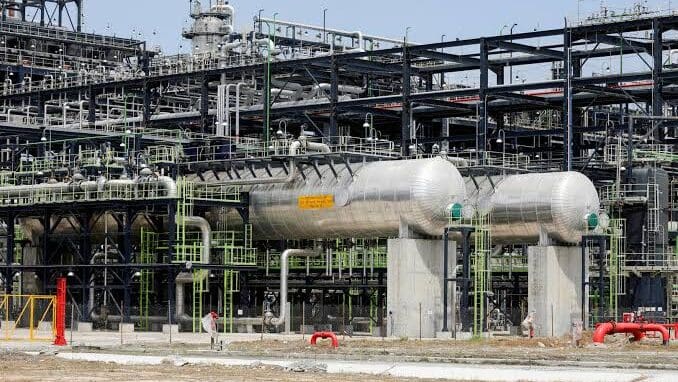
KENYA – Dangote Group’s planned mega-refinery aims to provide the industrial anchor the port has lacked since opening and accelerate development of the Lamu Port-South Sudan-Ethiopia Transport corridor (LAPSSET).
Opened in May 2021 following an estimated investment of US$2.5 billion, Lamu’s deep-water port is the cornerstone of the LAPSSET corridor.
The infrastructure program aims to turn northern Kenya into a trade gateway for Ethiopia, South Sudan and other markets in the Horn of Africa.
Strategic Vision and Traffic Challenges
Despite its modern infrastructure, the port’s initial performance fell short of expectations. Only 12 ships called at Lamu during its first year of operation, before the number declined to four in 2022. Traffic rose to 36 ships in 2023 but fell to 20 in 2024, when the port handled just over 74,000 metric tons of cargo.
Traffic rose sharply in 2025. Disruptions to Red Sea shipping and congestion at some Gulf ports prompted shipping lines to reroute cargo through Lamu, lifting volumes to nearly 800,000 metric tons. While the increase demonstrated the port’s ability to handle additional cargo, it was largely driven by temporary conditions.
Against this backdrop, Dangote’s project could be transformative. A refinery capable of processing 700,000 barrels per day would require large-scale crude oil imports, storage facilities, specialized terminals and regular exports of refined products. These activities could generate sustained traffic for the port.
Infrastructure Development and Regional Integration
The investment could also accelerate development of the LAPSSET corridor, several components of which remain unfinished.
The project includes highways, railways, pipelines, special economic zones and new cities intended to strengthen trade with Ethiopia and South Sudan.
Kenya is planning a major expansion of the port. Its three operational berths have a combined annual capacity of up to 1.2 million twenty-foot equivalent units.
By 2030, the Kenya Ports Authority plans to add 21 berths through public-private partnerships, with the goal of positioning Lamu as an alternative to the ports of Mombasa, Djibouti and Port Sudan.
Financing Hurdles and Future Outlook
The refinery must still overcome several hurdles before it can be built. No financing structure has been announced, and questions remain about where it would obtain crude oil.
In the end, if completed, the refinery could provide the industrial and logistics anchor that Lamu port and the LAPSSET corridor have long lacked.
Sign up HERE to receive our email newsletters with the latest news and insights from Africa and around the world, and follow us on our WhatsApp channel for updates