
Ghana plans Tamale cargo hub to cut logistics costs, boost exports
The cargo platform is part of a broader set of measures Accra has rolled out to boost non-traditional exports.
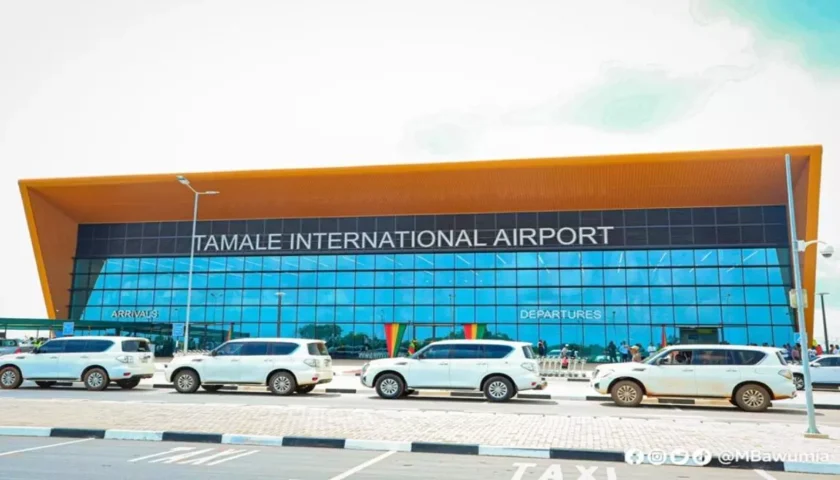
GHANA – Ghana’s government has plans to turn Tamale International Airport into a key link in the national export chain as authorities move to cut logistics costs and ease exports of vegetables, fruit, and other high-value farm products.
The plan proposes an air cargo platform of about 150 acres at Tamale Airport in the north to ease the export of vegetables, fruit, and other high-value farm products.
According to Goosie Tanch, coordinator of the 24-Hour Economy and Accelerated Export Development Programme, it forms part of an integrated system that links agriculture, manufacturing, energy and logistics across northern Ghana.
Tamale already holds a strategic position in Ghana’s air network. After Accra and Kumasi, Tamale International Airport ranks as the country’s third-largest air hub and the main air gateway to the north.
Logistics Hurdles and Export Competitiveness
For perishable goods, transit times and storage conditions can directly affect commercial value and the ability to meet international market requirements. Ghanaian exporters reportedly incur some of the highest logistics costs in West Africa, while export clearance times remain above regional averages.
According to President John Dramani Mahama, nearly 47% of Ghanaian exporters report facing significant trade obstacles. Non-tariff measures and procedural delays account for a large share of these difficulties, while more than 52% of complaints concern costly and time-consuming technical regulations and poor coordination among the various bodies involved.
Broader Export Strategy and Vision 2030
The cargo platform is part of a broader set of measures Accra has rolled out to boost non-traditional exports. The government has created an advisory committee to promote exports and has begun operating the ports of Tema and Takoradi around the clock, seven days a week.
Additional projects include modernizing and expanding the ports, reviving the Volta Lake Transport Company, developing the Mpakadan port, commissioning the Boankra inland port, and extending cold-chain infrastructure to support the fishing and horticulture sectors.
In line with those aims, the government hopes to increase non-traditional export earnings from roughly US$3.5 billion now to at least US$10 billion by 2030.
Ultimately, success will depend on effectively integrating storage facilities, efficient customs handling, and reliable air links within the northern region.
Sign up HERE to receive our email newsletters with the latest news and insights from Africa and around the world, and follow us on our WhatsApp channel for updates.