African reefer shortage worsens as perishable exports surge, carriers use NOR containers
Reefer containers are required to maintain temperature and humidity during transport, but production areas are often inland.
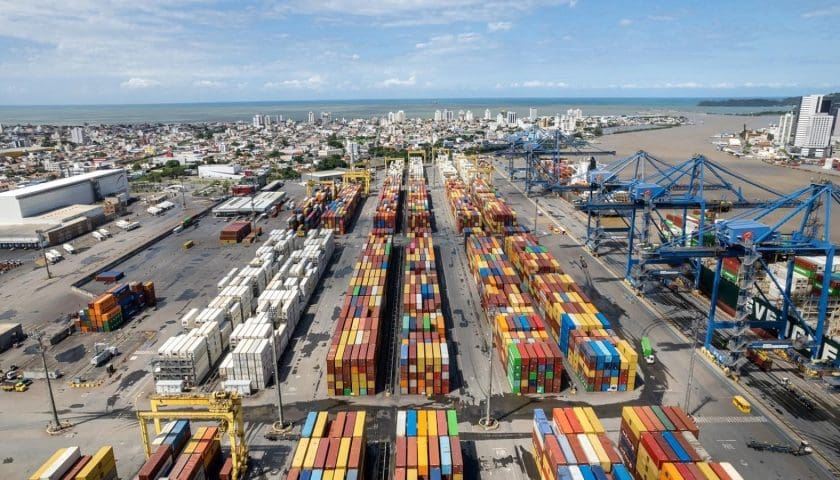
AFRICA – Africa’s growing role in the global perishables trade is under pressure from logistics constraints, as shortages of refrigerated containers combine with global shipping disruptions to tighten supply chains.
This equipment imbalance threatens to stall the region’s momentum in citrus, avocado, and other high-value horticultural exports.
The Reefer Gap: Import vs Export Imbalance
According to Ocean Network Express, the continent faces a widening “reefer gap” caused by an imbalance between import and export flows.
Imports, mainly machinery, plastics, and textiles from Asia, arrive in dry containers, while perishable exports require refrigerated containers. Based on 2024 data, up to 55% of reefer demand during peak periods in Durban and Mombasa could not be met, with deficits of approximately 55% in Durban and 30% in Mombasa.
This imbalance arises as agricultural exports expand, supported by initiatives such as the African Continental Free Trade Area.
Export Growth Outpacing Equipment Supply
South Africa remains the main container gateway, with citrus accounting for about 40% of containerized exports.
Over the past decade, fruit exports have grown at a compound annual rate of 4.6%, including oranges, apples, grapes, and cherries. Kenya has also emerged as a regional hub, with fruit exports growing by 13.9% annually, supported by increased avocado production since 2015.
Reefer containers are required to maintain temperature and humidity during transport, but production areas are often inland. Therefore, moving empty reefer units from ports to these areas adds cost and complexity, affecting availability.
Creative Solutions and Global Disruptions
Carriers are using Non-Operating Reefers (NOR), also known as ‘Reefer as Dry’ (RAD), allowing dry cargo to be transported in reefer units with cooling systems switched off to reposition equipment.
However, global conditions are also affecting availability. According to DHL, demand remains supported by seasonal exports, but capacity is uneven due to longer transit times, network disruptions, and equipment imbalances.
Vessel rerouting has added 10 to 14 days to transit times, increasing fuel costs and reducing container circulation.
What This Means for Food Trade
In South Africa, citrus production for the 2026 season is expected to reach 205 to 210 million cartons. The combination of equipment shortages, inland logistics challenges, and global disruptions is tightening reefer supply chains just as export volumes increase.
For investors, this gap presents opportunities in cold storage infrastructure, inland depot development, and fleet repositioning services.
Sign up HERE to receive our email newsletters with the latest news and insights from Africa and around the world, and follow us on our WhatsApp channel for updates.