
Cargill confirms no plans to close U.S. beef plants
Cargill says it will continue operations at its North American beef processing facilities.
USA – Cargill Inc stated on Wednesday that it has no current plans to shut any of its U.S. beef processing plants, following Tyson Foods’ recent decision to close a major facility in Nebraska.
The U.S. beef sector is experiencing supply pressure as ranchers have reduced the national cattle herd to its lowest level in decades, a trend driven by prolonged drought conditions that have damaged pasture lands and increased feed costs.
Restrictions on imports of Mexican cattle this year have further tightened the domestic supply, as U.S. authorities aim to prevent the spread of a flesh-eating parasite.
Rising cattle costs have forced meatpackers to pay more for livestock, contributing to record-high beef prices that have drawn attention from policymakers, with former President Donald Trump announcing efforts to lower retail prices.
Cargill confirmed in a statement to Reuters that it does not plan to close any primary beef plants at this time and emphasized ongoing investments in its existing facilities.
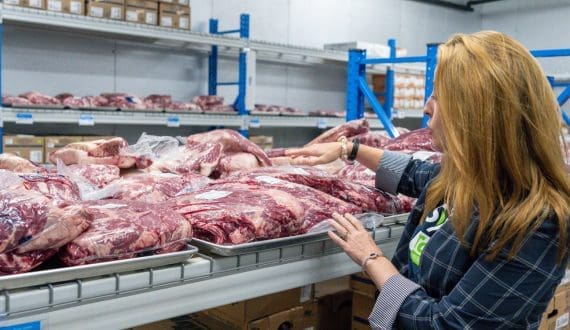
The company, a leading producer of ground beef, operates eight primary beef processing plants in North America where cattle are slaughtered for retail cuts.
Earlier this week, Tyson Foods revealed it would close its beef plant in Lexington, Nebraska, while converting its Amarillo, Texas facility to a single full-capacity shift, reflecting broader challenges in the industry.
Together with Tyson, JBS USA, and National Beef Packing Company, Cargill processes roughly 85 percent of grain-finished U.S. cattle into steaks, roasts, and ribs for the consumer market.
In June, Cargill announced a US$90 million investment in its Fort Morgan, Colorado beef plant aimed at improving automation and production yields to meet demand pressures.
The company’s statements indicate a commitment to maintaining operations despite tight cattle inventories, while other major meatpackers adjust capacity to manage rising costs and supply constraints.
The company has also started implementing artificial intelligence technology in two beef plants to increase efficiency in meat recovery, a response to low cattle numbers.
Leon Fletcher of Cargill highlighted that every additional ounce of beef recovered in processing equates to nearly 350,000 meals annually, reflecting the importance of yield improvements amid limited supply.
He added that the CarVe technology provides real-time feedback on yield recovery, allowing staff to maximize red meat recovery while reducing diversion to byproducts, pet food, or food waste.
Cargill’s focus on yield optimization reflects the broader industry challenge of maintaining output and managing costs as cattle inventories remain constrained.
This approach contrasts with plant closures, showing that some beef processors are prioritizing efficiency gains and technological solutions to meet demand rather than reducing capacity.
Sign up HERE to receive our email newsletters with the latest news and insights from Africa and around the world, and follow us on our WhatsApp channel for updates.