Ethiopia opens market for Brazilian meat, other exports
Move comes as Ethiopia expands food import sources
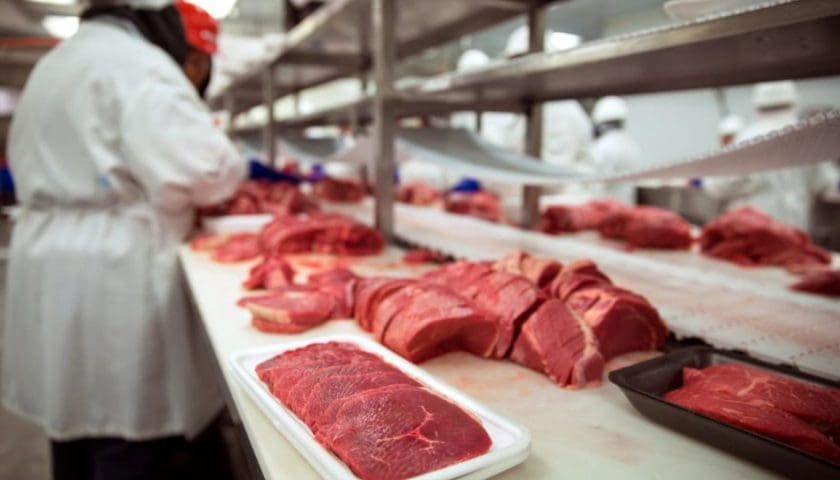
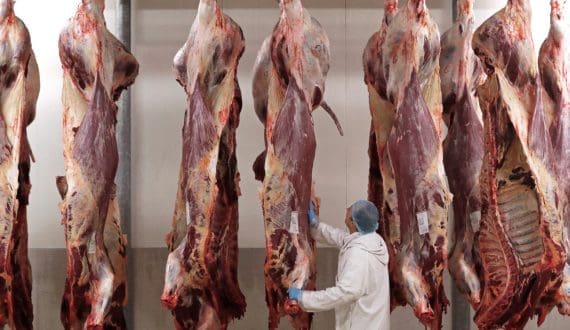
ETHIOPIA – Brazil has received approval to ship 17 agricultural commodities to Ethiopia, including beef, poultry, and pork, in a development confirmed by the country’s agriculture ministry.
The announcement was made on Tuesday by Luis Rua, Brazil’s secretary for trade and international relations, who said the clearance followed discussions with Ethiopian authorities and was previously reported by the financial outlet Valour Econômico.
Rua said Ethiopia presents a sizable opportunity due to its population of about 130 million, according to United Nations figures, making it the second-largest in Africa and a growing destination for imported food products.
The authorisation is also the first new market access achieved since André de Paula took office as Brazil’s agriculture minister last week, signalling continuity in the country’s external trade agenda.
Brazil has continued to expand its agricultural export reach under President Luiz Inácio Lula da Silva’s administration, with the agriculture ministry reporting more than 500 market openings since the start of his term in 2023.
Expanding competition in Ethiopia’s import market
The latest agreement adds to a series of international deals targeting Ethiopia, where authorities have been working to diversify sources of agricultural imports to meet domestic demand.
Earlier in January 2026, Ethiopia approved the United States to export live cattle, day-old chicks, and hatching eggs, following completion of veterinary certification processes in December 2025.
The same arrangement also allowed entry of U.S. bovine genetic materials, including semen and embryos, reflecting efforts to improve livestock quality in the country.
This followed Washington’s backing of Ethiopia’s planned US$10 billion Bishoftu International Airport project near Addis Abeba, which has been framed as part of broader economic cooperation in the region.
Livestock sector remains central
Trade ties between Ethiopia and the United States date back decades, with Ethiopia exporting coffee, textiles, and garments while importing machinery, aircraft, spare parts, and wheat under a longstanding bilateral agreement.
However, Ethiopia has not had access to U.S. trade benefits under the African Growth and Opportunity Act since 2022 due to concerns related to human rights.
At the same time, China continues to lead as Ethiopia’s largest foreign investor, followed by Saudi Arabia and Türkiye, indicating a competitive landscape among global partners.
Livestock production remains a key part of Ethiopia’s economy, accounting for about 45% of agricultural gross domestic product, supported by an estimated 70 million cattle along with large populations of sheep, goats, camels, and poultry.
Despite the scale of production, the sector faces ongoing challenges, including low productivity, limited access to quality feed, gaps in veterinary services, and insufficient processing capacity, even as the government pushes for modernisation.
Sign up HERE to receive our email newsletters with the latest news and insights from Africa and around the world, and follow us on our WhatsApp channel for updates.