EU–Indonesia tuna trade deal triggers industry concerns over competition, labour rules
Industry groups warn of pressure on EU fleets and weak labour enforcement provisions
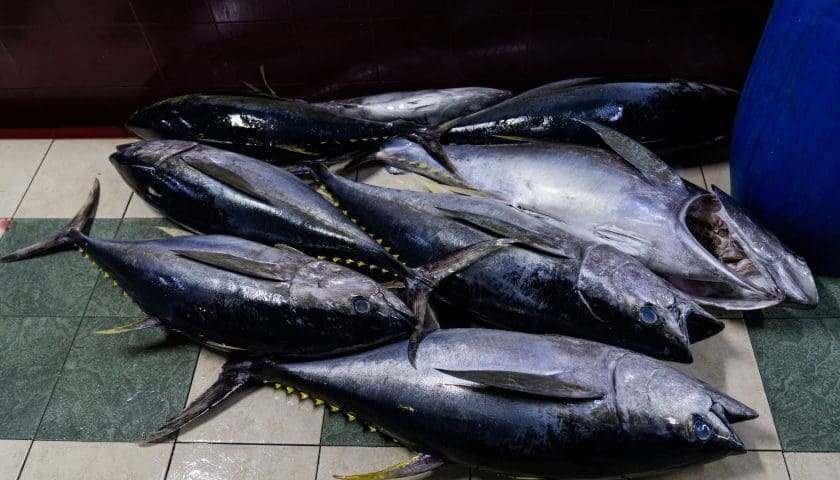
EU – The European Commission has released a draft trade agreement with Indonesia that would allow duty-free entry for certain tuna products into the European Union, raising concerns among industry stakeholders about competition and regulatory standards.
Under the proposed terms, fresh and frozen tuna fillets would face 0% tariffs immediately upon implementation, with no volume limits applied to these imports entering the EU market.
At the same time, processed tuna items would be subject to tariff-rate quotas, allowing 5,000 tonnes of tuna loins and 800 tonnes of canned tuna to enter duty-free each year within set limits.
Eligibility for these preferences would depend on origin requirements, meaning only tuna harvested by Indonesian vessels or caught by EU vessels and processed in Indonesia would qualify under the agreement.
Market dynamics in the Indian Ocean
The proposal comes against the backdrop of Indonesia’s dominant role in the Indian Ocean tuna sector, where it operates a large and diverse fishing fleet across its extensive Exclusive Economic Zone.
Indonesia holds significant shares of key tuna species, including skipjack, bigeye, and yellowfin, positioning it as the largest overall participant in tropical tuna fisheries in the region.
The country already supplies substantial volumes to the EU market through the Autonomous Tariff Quota system, which allows 35,000 tonnes of tuna loins annually, with exports reaching about 33,195 tonnes between 2020 and 2023.
This quota, which remains in place for the 2024 to 2026 period, is typically filled quickly each year, intensifying competition for EU-based fleets supplying raw material to domestic canneries.
Industry representatives argue that expanding duty-free access could further shift sourcing away from EU-caught fish, particularly in price-sensitive segments of the processing industry.
Labour standards questioned
Beyond market access, concerns have also been raised about labour provisions within the agreement, which rely on voluntary commitments rather than binding enforcement mechanisms.
Industry groups point out that while the EU is tightening internal rules through measures to prevent goods linked to forced labour, similar obligations are not strictly imposed on trade partners under such agreements.
Critics say this gap could create unequal conditions, as EU operators must comply with stricter standards while imported products may not face the same level of scrutiny.
Europêche has urged policymakers to revise the draft before adoption, calling for a reduction of the tuna loin quota to 800 tonnes and opposing full liberalisation of tuna fillets due to their direct competition with EU-caught fish.
Sign up HERE to receive our email newsletters with the latest news and insights from Africa and around the world, and follow us on our WhatsApp channel for updates.