

Europe, U.S. face rising bird flu outbreaks
European countries impose poultry confinement as cases surge among wild and domestic birds.
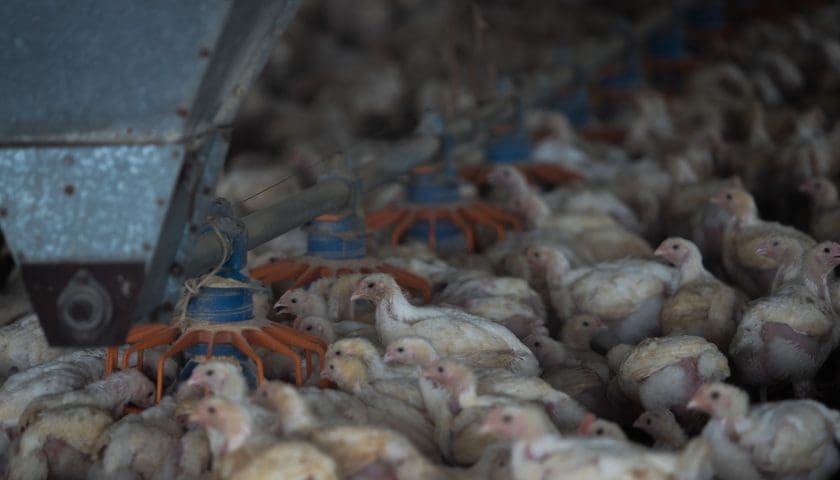
EUROPE – Spain will require all poultry in designated high-risk regions to remain indoors starting November 10 to limit the spread of bird flu, according to the agriculture ministry, as new cases have emerged locally and across Europe.
The ministry emphasised that the measures are preventative, following weeks of rising infections among both wild and domestic birds in northern and central Europe.
Under the new regulations, poultry cannot be raised outdoors, shared water sources with wild birds are prohibited, and ducks and geese must not mix with other poultry species.
Ireland, France, and Britain have enacted similar confinement orders in recent weeks amid increased infections linked to migratory birds returning to Europe for the winter.
In the United States, Georgia state officials are responding to a bird flu outbreak at a commercial poultry farm after 140,000 broiler chickens tested positive for Highly Pathogenic Avian Influenza (HPAI).
This represents the third confirmed HPAI incident at a commercial facility in Georgia this year, with the farm acting immediately to control the virus.
The farm first reported unusual illness among its flock on October 19 and alerted the Georgia Poultry Laboratory Network the following day, prompting state intervention.
Emergency management and agricultural teams were dispatched to cull infected birds, safely dispose of carcasses, and carry out disinfection procedures at the facility.
Authorities have placed all commercial poultry operations within a 6.2-mile radius under quarantine and mandated surveillance testing for a minimum of two weeks to monitor the spread of the virus.
Georgia Agriculture Commissioner Tyler J Harper said the outbreak poses a major risk to the state’s poultry sector and the livelihoods of workers dependent on it, while state teams continue to manage the situation.
Meanwhile, Germany has seen more than 30 poultry farms cull their flocks following new outbreaks of avian influenza, with nearly 400,000 chickens, ducks, geese, and turkeys destroyed to contain the virus.
Christa Kühn, president of the Friedrich-Loeffler-Institut (FLI), said current figures are similar to those recorded in 2021, Germany’s worst bird flu year, and warned that further outbreaks are likely in the coming weeks.
The hardest-hit areas are Mecklenburg-Vorpommern and Brandenburg, where authorities have culled 150,000 and 130,000 birds respectively after detecting infections with the highly contagious H5N1 strain.
Smaller outbreaks in other German states have also led to precautionary culling, as FLI testing confirmed additional cases of the virus.
Sign up HERE to receive our email newsletters with the latest news and insights from Africa and around the world, and follow us on our WhatsApp channel for updates.