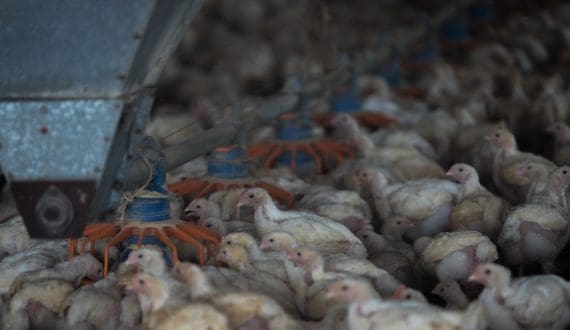
Shanghai’s JSBio ventures into cultivated meat market
Shanghai-based biopharma company enters China’s growing cellular agriculture sector.
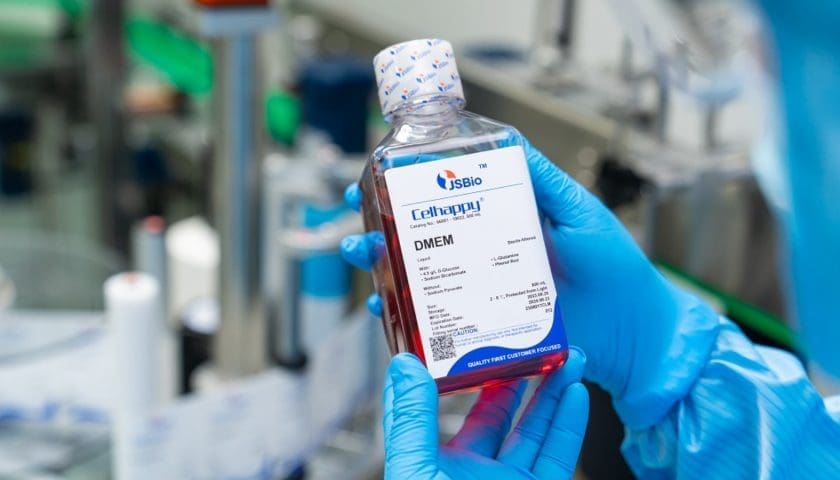
CHINA – JS Biosciences Co (JSBio), a culture media manufacturer headquartered in Shanghai, has expanded its operations from biopharmaceuticals into cultivated meat production, targeting China’s rapidly developing alternative protein industry.
China has emerged as a major player in the global alternative protein space, holding more patents than any other region and benefiting from increasing government support and investment.
JSBio, which already operates in South Korea and the United States, is using its biopharma experience to develop serum-free, food-grade culture media tailored for cultivated meat producers.
Founder Shun Luo said the company’s shift into cellular agriculture aligns with its goal of advancing sustainable food solutions that benefit both people and the environment.
The firm’s focus includes producing affordable formulations and offering process development support to help cultivated meat companies scale efficiently.
Expanding Capabilities Across Asia
Founded in 2011, JSBio has created more than 200 types of serum-free culture media designed for various cell lines, while also providing optimisation services to improve productivity and consistency in cell growth.
The company recently introduced its CellKey Series of culture media, designed specifically for cultivated meat production, using food-grade components suitable for industrial-scale applications.
Chief Operating Officer Louis Cheung confirmed that JSBio supplies global cultivated meat producers, including some that have already received regulatory clearances, though he declined to name them.
He added that the company operates Asia’s largest dry powder culture media network, capable of producing over 6,000 tonnes annually across multiple sites.
This scale, Cheung noted, enables JSBio to provide cost-effective culture media, with prices currently below US$1 per litre, significantly lower than the typical global average.
Lowering Costs in Cultivated Meat Production
Culture media account for most of the cost of producing cultivated meat, as they contain vital nutrients for cell growth.
Traditional formulations can cost hundreds of US dollars per litre due to ingredients such as fetal bovine serum and other costly growth factors.
Cheung said JSBio’s strategy focuses on refining formulations, sourcing affordable raw materials, and adopting efficient processes such as high-temperature-short-time sterilisation to make cultivated meat production more economical.
He added that as the company enhances its supply chain and introduces new technologies, it expects further reductions in cost.
JSBio has also joined the Asia-Pacific Society for Cellular Agriculture to strengthen regional partnerships and promote innovation in the cultivated protein sector.
The expansion comes as Chinese authorities push for research in alternative proteins, with initiatives such as an US$11 million innovation centre in Beijing and plans for a biomanufacturing hub in Guangdong to advance plant-based and cell-based foods.
Sign up HERE to receive our email newsletters with the latest news and insights from Africa and around the world, and follow us on our WhatsApp channel for updates.