
FPC warns UK-EU SPS deal adds US$402.6M burden on global produce imports
The policy shift threatens national food security and consumer affordability without delivering clear improvements in biosecurity.
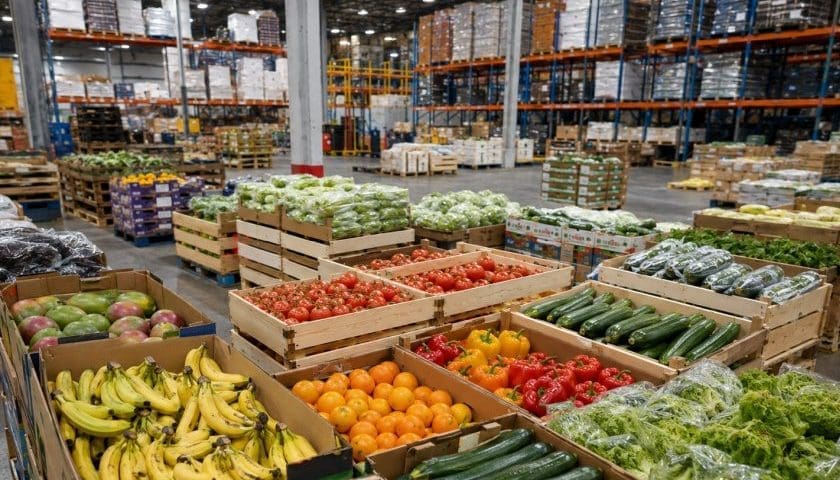
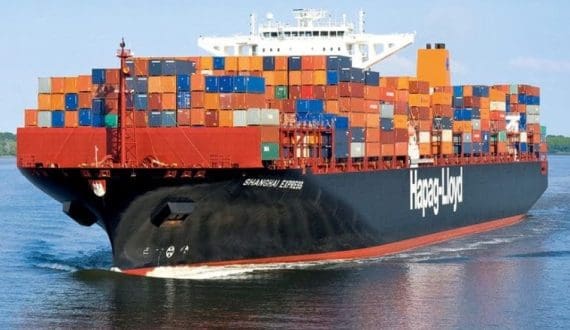
UNITED KINGDOM – The Fresh Produce Consortium has warned that the UK government’s proposed Sanitary and Phytosanitary arrangements with the EU will add an estimated £300 million (approx. US$402.6 million) burden on global fresh produce imports into Britain.
The main economic impacts of the new SPS rules include an estimated £300 million in additional costs, primarily borne by the UK’s fresh produce sector, as well as increased inspections, additional phytosanitary certification requirements, expanded pre-notification obligations, and broader compliance requirements for goods entering the UK from non-EU countries.
“The government continues to present this agreement as a solution that will reduce barriers and simplify trade. However, the detail emerging from its own guidance tells a very different story,” said Nigel Jenney, FPC’s chief executive.
“What we are seeing is a selective and politically driven ‘pick and mix’ approach to trade policy, highlighting the benefits of EU alignment while failing to acknowledge the very significant burdens now being imposed elsewhere across the supply chain.“
Around half of the UK’s fresh produce imports come from the Rest of the World, with compliance exceeding 99.5% across 120,000 consignments each year.
Consequently, the policy shift threatens national food security and consumer affordability without delivering clear improvements in biosecurity.
“The concern is not cooperation with Europe. FPC supports pragmatic solutions that genuinely improve trade and strengthen resilience. The concern is that the government appears prepared to impose a more rigid and protectionist EU-style system without properly assessing the wider consequences for UK food security, supply chain resilience and consumer affordability,” Jenney added.
FPC is calling for a full, independent impact assessment before agreeing to any final SPS alignment measures, given that the current system is already achieving exceptionally high compliance outcomes.
FPC also demands formal engagement with the fresh produce sector on practical alternatives that safeguard both EU trade and critical global supply routes.
Additionally, these SPS rules could create new barriers for African and Middle Eastern exporters who have traditionally supplied the UK market under a more streamlined, risk-based regime.
Nonetheless, FPC’s strong opposition and the government’s need to balance EU relations with global trade commitments mean the outcome remains uncertain.
The 99.5% compliance rate under the current system is a powerful statistic that FPC is leveraging effectively in its advocacy, and stakeholders should use similar data points in their own lobbying efforts.
Sign up HERE to receive our email newsletters with the latest news and insights from Africa and around the world, and follow us on our WhatsApp channel for updates.