New EU pesticide rules reshape Poland’s fresh produce imports
The Commission awaits a trade impact study due by summer 2026, which will determine whether the bans become permanent or expand to other member states.
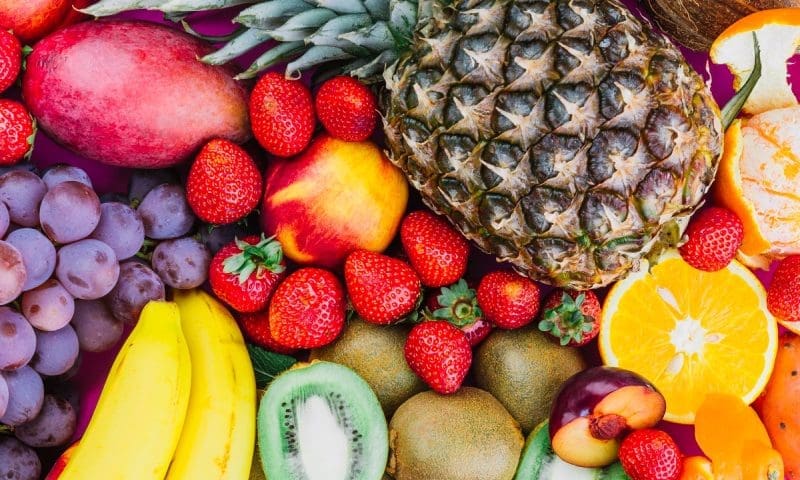
POLAND – Following France’s January decree, Poland has also temporarily banned imports of produce containing four EU-prohibited pesticides: thiophanate-methyl, carbendazim, benomyl, and glufosinate.
The restrictions directly target tropical fruits, such as mangoes and papayas, and select vegetables, while leaving cereals for animal feed largely unaffected.
Unlike staple crops such as maize or wheat, which face minimal changes, tropical fruit shipments from Côte d’Ivoire, Ghana, and Kenya now risk rejection at Polish and French borders.
Consequently, industry estimates show compliance costs could rise by 18–25% per container, eroding margins for smallholder farmers who rely on European supermarket contracts.
“Where national restrictions are introduced without a clear risk-based justification, it jeopardizes the Single Market and creates uncertainty for operators and supply chains,” a Croplife Europe spokesperson warned.
The measures are seen as a direct signal to Brussels, where the European Commission has committed to expanding restrictions but has not yet implemented bloc-wide rules.
Further, Eurostat data shows that tropical fruit imports from Africa to the EU were valued at US$3.2 billion (€2.9 billion) in 2025, suggesting that even a partial ban could shift millions of dollars in trade flows.
France has imposed a one-year ban, with the potential to expand to all substances prohibited across the EU. On the other hand, Poland’s identical timeframe aims to pressure the Commission into acting more quickly.
EU agriculture commissioner Christophe Hansen recently stated the intent to “establish a principle that the most hazardous pesticides banned in the EU are not allowed back through imported products.”
Nevertheless, former EU agriculture commissioner Janusz Wojciechowski noted affected goods may still enter, “taking away space for Polish agricultural exports.” The Commission awaits a trade impact study due by summer 2026, which will determine whether the bans become permanent or expand to other member states.
For African fresh produce players, the signal is clear: market access may tighten.
Therefore, investing in residue-free certification, cold-chain traceability, and integrated pest management is no longer optional but essential for survival in Europe’s evolving regulatory landscape.
Ultimately, early movers who adopt EU-aligned safety protocols will likely secure premium shelf space, while others risk exclusion from the continent’s most lucrative produce market.
Sign up HERE to receive our email newsletters with the latest news and insights from Africa and around the world, and follow us on our WhatsApp channel for updates.