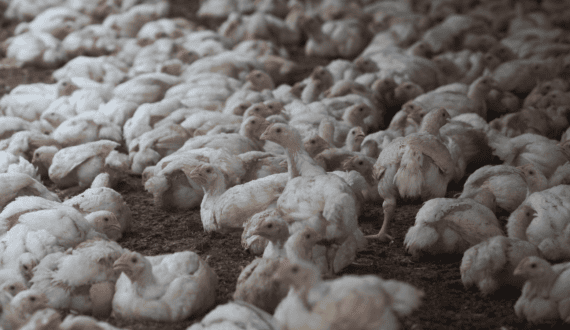

Ghana, Burkina Faso lift egg trade restrictions to revive cross-border poultry market
The agreement is expected to improve market access, support farmer incomes and strengthen agricultural trade within West Africa.

WEST AFRICA – Ghana and Burkina Faso have agreed to remove trade restrictions on eggs, allowing cross-border trade in poultry products to resume after bilateral discussions aimed at resolving barriers that had disrupted agricultural commerce between the two neighbouring countries.
The agreement restores access to an important regional market for poultry producers and traders while improving the movement of eggs between the two countries and supporting the availability of affordable animal protein for consumers.
Officials from both governments reached the decision following high-level talks focused on addressing restrictions that had affected trade in eggs and tomatoes across their shared border.
For Ghana’s poultry industry, the reopening of the Burkina Faso market is expected to create additional sales opportunities, as demand for poultry products continues to rise alongside urban population growth and shifting consumer preferences.
Industry participants expect the renewed market access to help reduce pressure from excess domestic egg supplies by creating additional export opportunities for producers and improving price stability.
The agreement also removes restrictions on tomato trade, allowing agricultural producers and traders in both countries to resume cross-border business in another key food commodity.
Regional cooperation supports agricultural markets
The decision reflects broader efforts by Ghana and Burkina Faso to strengthen regional agricultural trade through the Economic Community of West African States (ECOWAS) framework, which promotes the free movement of goods across member states.
Poultry producers have consistently identified access to regional markets as an important factor in maintaining production, particularly during periods when domestic consumption slows or egg production exceeds local demand.
Analysts said the removal of trade barriers could encourage additional private investment in poultry production, transport, cold chain infrastructure and value addition by creating more predictable regional markets.
The reopening of cross-border trade is also expected to improve confidence among poultry farmers, traders and agribusinesses that depend on neighbouring markets to sustain production and generate income.
Agriculture remains a major source of employment and economic activity in both Ghana and Burkina Faso, contributing to food security, rural livelihoods and national economic development.
Regional organisations have continued to encourage African countries to expand intra-African agricultural trade to improve food availability, reduce supply shortages, and create more stable markets for agricultural producers.
The agreement between Ghana and Burkina Faso marks another step towards strengthening West Africa’s poultry value chain by restoring market access, supporting regional trade and creating new commercial opportunities for poultry producers across the region.
Sign up HERE to receive our email newsletters with the latest news and insights from Africa and around the world, and follow us on our WhatsApp channel for updates.