

Global confectionery market to hit US$278B by 2032 as candy sales surge
Non-chocolate confectionery will rise from US$87 billion to US$134 billion by 2029.
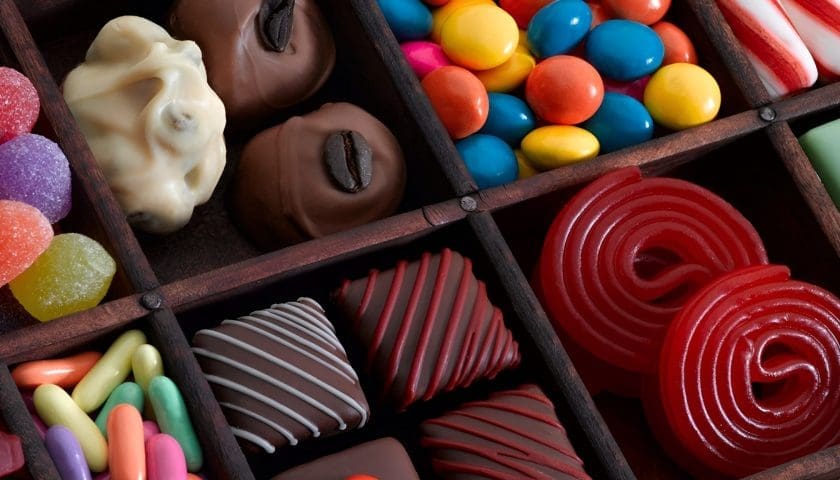
GLOBAL – The global confectionery market, currently valued at US$206 billion (€177 billion), is projected to reach US$278 billion by 2032, according to Fortune Business Insights.
The new growth phase is fuelled by evolving consumer preferences, seasonal demand, and continued innovation across chocolate and non-chocolate segments.
Within this landscape, non-chocolate confectionery is emerging as a key growth driver, growing at a compound annual rate of 5.5%, well ahead of the overall category’s 3.3% growth.
Data Bridge Market Research projects that non-chocolate confectionery will rise from US$87 billion to US$134 billion by 2029.
The National Confectioners Association (NCA) notes that non-chocolate candy is the second-largest confectionery category and continues to gain share, reflecting strong consumer enthusiasm for diverse textures, colours, and flavours.
Among these, chewy candy dominates, accounting for nearly half of all non-chocolate sales, followed by gummies, hard candy, lollipops, and licorice.
The appeal of innovative formats like freeze-dried and liquid-filled candies continues to expand, particularly among younger consumers seeking playful and experimental textures.
When it comes to flavour, classic fruit varieties still reign supreme with a 42% market share, though Gen Z and Millennials are driving demand for bolder, sour, spicy, and “mystery” flavours. Generation X currently leads unit sales, but Millennials and Gen Z are quickly closing the gap, reshaping the category’s future with adventurous preferences.
Seasonal celebrations remain another crucial growth engine for the industry. Candy sales spike around Halloween, Easter, Valentine’s Day, and Christmas, with 61% of consumers also enjoying candy as a self-treat, according to the NCA.
The category benefits from both planned and impulsive purchases, driven primarily by mood, price, and value.
Interestingly, while brand loyalty remains relevant, price sensitivity has overtaken it as a leading purchase factor, suggesting consumers are increasingly open to exploring new or private-label options.
Despite the surge in candy sales, chocolate continues to anchor the confectionery sector with a market value of US$123 billion, projected to climb to US$184 billion by 2033.
However, its 4.8% CAGR trails behind non-chocolate’s faster pace, signaling subtle but meaningful shifts in consumer preference.
While chocolate retains its emotional and cultural appeal, demand for plant-based, health-conscious, and texturally novel treats is broadening the competitive landscape.
As brands pivot to meet this evolving demand, success will hinge on how effectively they innovate through flavour, texture, and seasonal engagement.
The confectionery market’s next decade promises to be one defined by diversity, creativity, and a consumer appetite for experiences that are as playful as they are indulgent.
Sign up HERE to receive our email newsletters with the latest news and insights from Africa and around the world, and follow us on our WhatsApp channel for updates.