Global natural food colors market to hit US$5.8B by 2035
GLOBAL – The global natural food colors market, valued at US$2,155.4 million in 2023, is projected to grow at a CAGR of 8.7% to reach US$5,839.4 million by 2035, according to a recent report by Allied Market Research, titled “Natural Food Colors Market — Global Opportunity Analysis and Industry Forecast, 2024–2035.”
The surge is driven by a global shift toward clean-label and plant-based food products, as consumers increasingly demand transparency in ingredients and production practices.
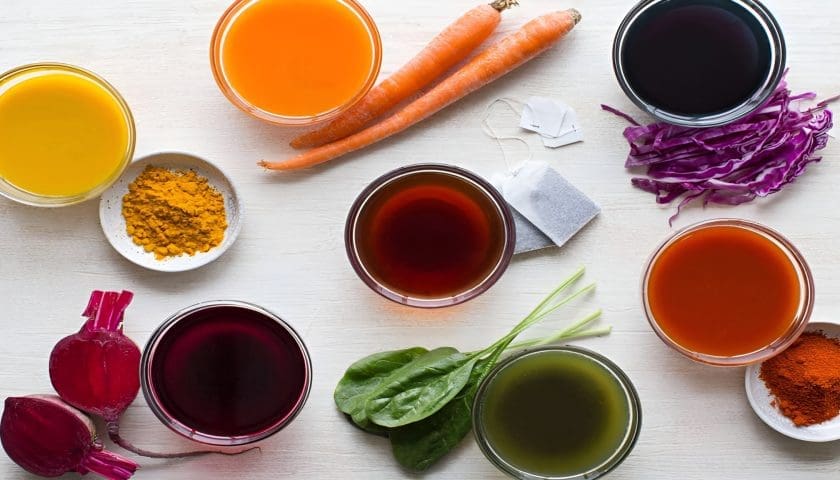
Across the food and beverage industry, manufacturers are moving away from synthetic additives and turning to natural sources such as turmeric, beetroot, spirulina, and annatto.
These colorants not only enhance product appeal but also align with consumer expectations for authenticity, safety, and sustainability.
The International Food Information Council reports that more than 60% of consumers now avoid artificial colors altogether, a sentiment reshaping new product development and reformulation strategies in categories ranging from beverages and dairy to snacks and plant-based alternatives.
Leading regional market
Allied Market Research divides the natural food colors market by solubility, application, color type, source, form, and region.
Water-soluble colorants currently dominate global demand, while processed foods and beverages represent the largest application segments.
Carotenoids, naturally occurring pigments found in fruits and vegetables, lead the color type category, driven by their stability and health benefits.
Plant-based sources continue to outpace animal-derived alternatives, and powdered formulations are the preferred form for ease of handling and extended shelf life.
The rise of functional foods and beverages has further accelerated growth. Consumers are seeking products that not only deliver nutrition but also provide specific health benefits such as enhanced immunity and digestive support.
This trend has prompted manufacturers to use natural ingredients and coloring agents that complement the clean-label promise.
The U.S. market alone illustrates this trajectory, with the retail value of natural and organic foods reaching US$122.1 billion in 2020, a 12.4% increase from the previous year, according to the USDA’s Economic Research Service.
Despite the positive outlook, the industry faces notable challenges. Extracting pigments from natural sources can be complex, labor-intensive, and costly, making these formulations more expensive than synthetic alternatives.
Limited awareness and affordability in developing regions also slow adoption. However, growing regulatory support and public education initiatives are expected to close this gap over time.
Leading regional market
Europe remains the largest regional market for natural food colors, supported by strict regulatory standards from the European Food Safety Authority and a consumer base that prioritizes food safety and sustainability.
Regional manufacturers continue to innovate through advanced extraction technologies and product diversification.
Countries such as Germany, France, and the UK are driving adoption in bakery, dairy, and beverage applications.
Leading industry players include Archer-Daniels-Midland (ADM) Company, GNT International B.V., Sensient Technologies Corporation, Döhler GmbH, and Oterra A/S.
Strategic moves, such as ADM’s launch of its PearlEdge natural whitening solution and T. Hasegawa’s acquisition of Abelei Flavors, underscore how innovation and consolidation are shaping this fast-evolving market.
As global consumers increasingly equate “natural” with “better,” the natural food colors industry is set to remain a vibrant force in the future of food manufacturing.
Sign up HERE to receive our email newsletters with the latest news and insights from Africa and around the world, and follow us on our WhatsApp channel for updates.