

Global Freight rates surge as Hormuz closure tightens fuel supply and cargo capacity
For container shipping, the main issues are fuel costs and availability.
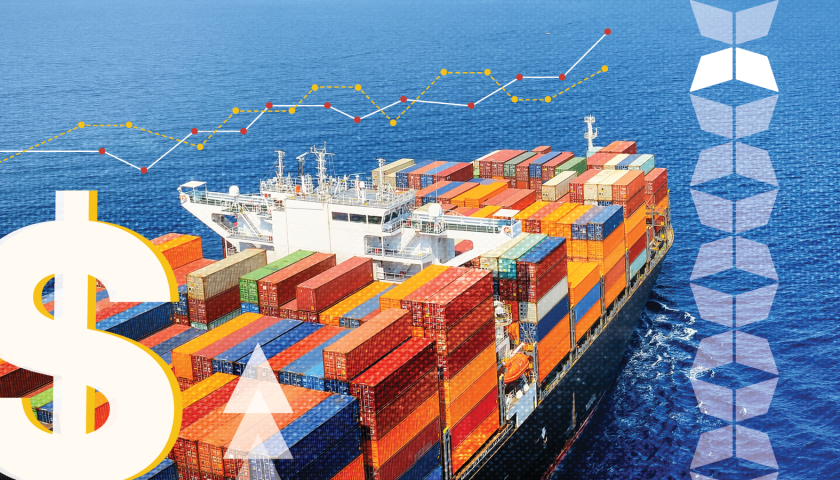
GLOBAL – The closure of the Strait of Hormuz has reduced global oil supply by 10%, triggering fuel surcharges and raising freight rates across major trade lanes.
For fresh-produce exporters and food logistics investors across the Middle East and Africa, this crisis means higher costs, longer delays, and less cargo space for perishable shipments.
Why the Strait of Hormuz Matters for Food Trade
The Strait of Hormuz is a narrow waterway between Iran and Oman. Nearly 20% of the world’s oil passes through it. When it closes, fuel prices spike. When fuel prices spike, shipping costs rise. And when shipping costs rise, food becomes more expensive for everyone.
The current closure has reduced global oil supply by 10%. Some countries are already conserving fuel. For container shipping, the main issues are fuel costs and availability. A reduced bunker fuel supply in Asia is forcing some vessels to divert to alternative ports, increasing fuel consumption and adding transit days.
Ocean Freight: Surcharges and Rate Hikes
Emergency fuel surcharges and peak season surcharges of US$500 to US$1,000 per FEU, introduced in March, are now in effect. Here is what has happened on major routes:
Transatlantic rates jumped 50% in one week, from US$1,400 to over US$2,100 per FEU.
Transpacific East Coast rates rose 10% to US$3,678 per FEU.
Asia-Europe Mediterranean rates held at US$3,800 per FEU.
Carriers plan additional increases of US$500 to US$2,000 per FEU in early May.
Air Cargo: Fuel Shortages Reduce Capacity
The Middle East supplies about 20% of global jet fuel. Prices have more than doubled since the closure. Vietnam Airlines has cancelled 20% of its flights, and Cathay Pacific plans a 2% reduction from mid-May.
Flight activity in the Middle East is now 60% below pre-conflict levels. Fewer passenger flights mean less cargo capacity for perishable goods. Freightos Air Index rates from South Asia to Europe reached US$5.15 per kg, double pre-conflict levels, while rates from Southeast Asia to Europe have climbed to US$5.30 per kg.
What This Means for the Food Business Industry
For food exporters shipping avocados, berries, cut flowers, or frozen meat, higher freight costs will squeeze profit margins while reduced air cargo capacity will lead to longer waiting times and a higher risk of spoilage.
Therefore, planning, consolidating shipments, and exploring alternative routes are practical responses to a crisis that shows no signs of ending soon.
Sign up HERE to receive our email newsletters with the latest news and insights from Africa and around the world, and follow us on our WhatsApp channel for updates.

