

India aims to cut fruit imports, boost horticulture exports as imports rise eightfold
India exported horticultural products worth ₹925.32 billion (US$11.07 billion) in 2024-25.
INDIA – India has launched a strategic push to reduce its reliance on imported horticultural products while expanding its footprint in global export markets, according to a policy paper by the National Academy of Agricultural Sciences.
The paper highlights a concerning trend: imports of fresh fruit and spices have continued to rise despite growing domestic production.
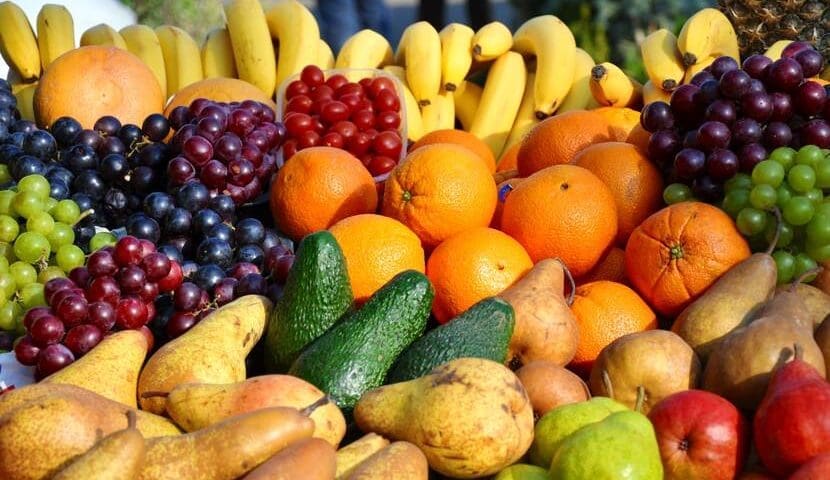
Fresh fruit imports, including apples, oranges, grapes, kiwis, and cherries, rose eightfold over 15 years, from ₹28.43 billion (US$340 million) in 2009-10 to ₹226.64 billion (US$2.71 billion) in 2023-24.
Additionally, spice imports rose by nearly 18% over five years, from ₹101.87 billion (US$1.22 billion) in 2019-20 to ₹120.51 billion (US$1.44 billion) in 2023-24. Key imports included pepper, clove, spice oils, oleoresins, and mint products.
To address this, NAAS recommends strengthening breeding programmes and improving access to varieties and hybrids for import-dependent crops, including apples, walnuts, hazelnuts, and kiwis. The paper also calls for streamlining pesticide registration to expand plant-protection options, particularly for medicinal and aromatic crops.
For Middle Eastern investors, India’s strategic shift signals a transformation of regional supply chains. As India develops protocols for long-distance fruit shipments and reduces post-harvest losses, Gulf countries that currently source apples, kiwis, and walnuts from distant markets could benefit from shorter transit times and fresher produce from India.
The UAE already ranks among India’s top export destinations for horticultural products, alongside China, the United States, Bangladesh, Thailand, Malaysia, Indonesia, and the UK.
India exported horticultural products worth ₹925.32 billion (US$11.07 billion) in 2024-25. Spices accounted for 38% of the export value, followed by plantation crops at 29.4%, processed products at 13.9%, fresh fruits at 8.8%, and fresh vegetables at 7.9%. Major exported fruits include mangoes, bananas, grapes, and pomegranates.
The paper recommends establishing procurement and collection centres within production clusters to support aggregation and export, and exploring new export markets.
It also highlights the potential for India to expand its hybrid seed exports, particularly for solanaceous crops and cucurbits, by simplifying export policies and improving coordination among institutions and industry stakeholders.
For investors, opportunities exist in India’s expanding food processing sector, particularly in value-added products with export demand, as well as in cold storage infrastructure, packhouse modernization, and logistics that support both import substitution and export growth.
Sign up HERE to receive our email newsletters with the latest news and insights from Africa and around the world, and follow us on our WhatsApp channel for updates.