

Kenyan avocado output hits record 694,000 tonnes, exports fall on Red Sea crisis
Kenyan exporters are exploring opportunities in Asia and the Middle East, where demand for both fresh avocados and avocado oil continues to rise.
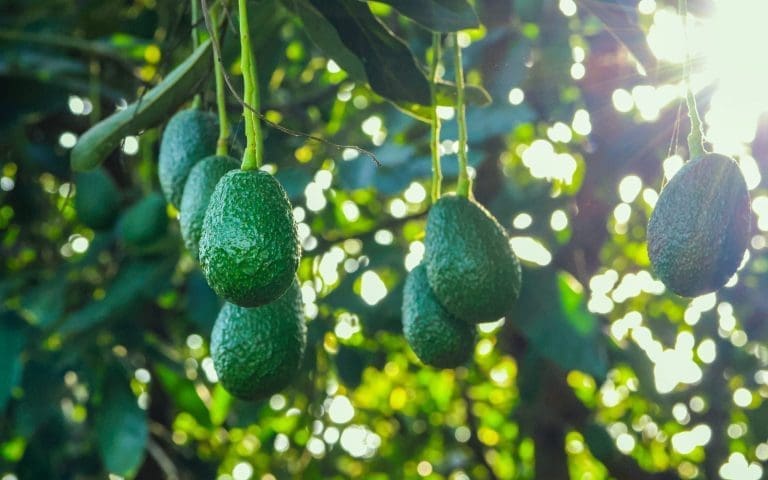
KENYA – Kenyan avocado production has reached a record 694,000 metric tonnes in 2025, exceeding previous estimates of 585,000 metric tonness, driven by continued growth in harvested area and improved productivity.
Despite this historic output, exports are expected to decrease to 121,000 metric tonnes due to disruptions in the Red Sea and export controls imposed by the Kenyan Agriculture and Food Authority.
The production surge reflects better farming efficiency, orchard expansion, and favourable growing conditions.
However, logistical disruptions have created a temporary bottleneck. Red Sea shipping routes, critical for Kenyan avocados destined for European and Middle Eastern markets, have forced vessels to take longer alternative routes, increasing transit times and freight costs.
Simultaneously, AFA’s stricter quality enforcement, including packhouse inspections and crate requirements, has reduced the volume of fruit leaving the country.
For regional investors, the most significant opportunity lies in avocado oil processing. The sector has grown dramatically, rising from 3,326 metric tonnes in 2024 to 10,188 metric tonnes in 2025, driven by rising demand in high-income markets.
In fact, avocado oil commands premium prices and faces fewer shipping constraints than fresh fruit, as processed goods have longer shelf lives and can be transported via alternative logistics channels.
Investment in processing infrastructure, including extraction equipment, refining capacity, and bottling lines, could capture value from Kenya’s record production while bypassing fresh fruit export bottlenecks.
Looking ahead, FAS Nairobi forecasts 2026 production to expand by 4.8% to approximately 727,000 metric tonnes, with exports increasing by 7.4% to 130,000 metric tonnes.
The projected export recovery suggests that current bottlenecks are temporary and that both shipping disruptions and regulatory adjustments will ease.
For investors, this outlook signals that Kenya’s avocado sector remains on a strong growth trajectory, with both fresh fruit and processed goods offering viable entry points.
The contradiction between record production and declining exports underscores the importance of market diversification. While European markets remain primary destinations, Kenyan exporters are exploring opportunities in Asia and the Middle East, where demand for both fresh avocados and avocado oil continues to rise.
For food industry stakeholders across Africa and the Gulf, Kenya’s expanding avocado oil industry offers a reliable supply source for a high-value ingredient used in cooking, cosmetics, and nutritional products.
As processing capacity grows and logistics disruptions ease, Kenya is positioned to strengthen its status as a global avocado powerhouse.
Sign up HERE to receive our email newsletters with the latest news and insights from Africa and around the world, and follow us on our WhatsApp channel for updates.

