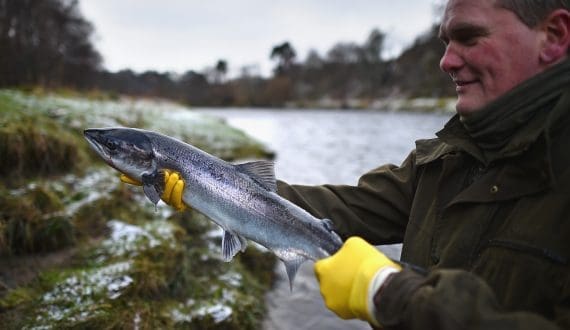

India implements stricter marine fisheries rules
Measures include legal catch sizes, restricted zones for artisanal fishers, and funding for artificial reefs and aquaculture initiatives.
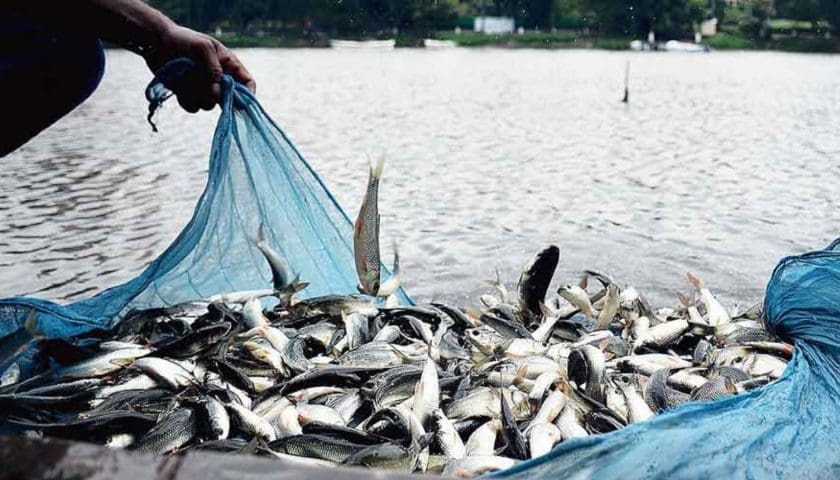
INDIA – India is tightening regulations and launching support measures for its marine fisheries to ensure long-term sustainability, Union Minister for Fisheries, Animal Husbandry & Dairying Rajiv Ranjan Singh (Lalan Singh) told the Rajya Sabha.
According to the 2022 Marine Fish Stock Status Report from the ICAR-Central Marine Fisheries Research Institute (CMFRI), 91.1% of the country’s marine fish stocks remain in a healthy condition.
The government is enforcing Minimum Legal Sizes for key commercial species such as pomfret, following CMFRI guidance, to prevent the capture of juvenile fish and allow populations to reproduce.
Several coastal states, including Kerala and Maharashtra, have incorporated these size limits into their Marine Fishing Regulation Acts.
Designated coastal zones are set aside for traditional, non-mechanized, and small motorized vessels, while mechanized trawling is prohibited in some areas to reduce pressure on near-shore ecosystems.
Nationwide bans on practices like bull and pair trawling and the use of LED lights aim to protect biodiversity and prevent overfishing within India’s Exclusive Economic Zone.
During annual fishing ban periods, the government provides financial relief under the Pradhan Mantri Matsya Sampada Yojana, offering traditional fisher families from disadvantaged backgrounds US$36 per year (with a US$18 contribution from beneficiaries) over the three-month closure.
The PMMSY scheme also finances the installation of artificial reefs in vulnerable coastal areas, creating new habitats and promoting fish aggregation.
Data from the Union Ministry of Statistics and Programme Implementation shows that fish production in Goa reached 140.3 tonnes in 2022–23, marking an eight-year high, before declining slightly to 135.7 tonnes in 2023–24.
Production has generally maintained levels above 135 tonnes in recent years, rising from 111.9 tonnes in 2015–16 to 124 tonnes by 2017–18, before dropping to 105 tonnes in 2019–20, a 15.3% decrease attributed to operational and environmental challenges.
Output recovered to 111 tonnes in 2020–21, increased to 116.2 tonnes in 2021–22, and reached the record of 140.3 tonnes in 2022–23, signaling resilience despite fluctuations.
Sign up HERE to receive our email newsletters with the latest news and insights from Africa and around the world, and follow us on our WhatsApp channel for updates.