

Kenya AFA opens avocado export season on April 2 with strict quality enforcement
The AFA warned that exporters and processors found harvesting and handling immature avocados will face strict enforcement measures.
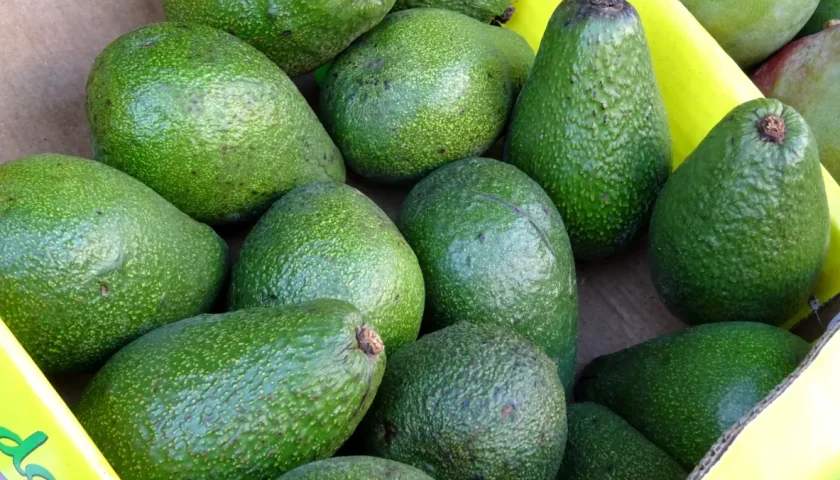
KENYA – The Agriculture and Food Authority has scheduled the start of Kenya’s 2026 avocado export season for April 2, following a delay caused by insufficient fruit maturity in major production zones.
A field survey conducted between March 1 and March 6 found that fruits were not ready for harvesting, prompting an extension of the restriction until conditions improved.
All fresh export produce will be subject to packhouse inspection from April 7, with exporters required to apply for inspection at least three days before shipment.
Additionally, the regulator has also directed exporters to submit a list of their duly registered Horticultural Produce Marketing Agents or suppliers by March 30 as part of efforts to streamline the sector. These regulations directly impact global market competitiveness.
The AFA warned that exporters and processors found harvesting and handling immature avocados will face strict enforcement measures. “It has been noted that some exporters and processors are harvesting immature avocados. The Authority shall be conducting Packhouse and avocado oil processing facility surveillance,” the notice states.
On the other hand, harvesting of avocados for oil processing will commence on April 30, with AFA noting that fruits meant for oil require higher maturity indices than fresh exports.
The Authority further directed that all harvested avocados must be transported in crates. “Exporters or their agents found transporting or receiving avocado without crates or on open pick-up trucks, contrary to the horticulture regulations, will have their registration or license revoked,” AFA said. This crate requirement reduces physical damage during transport, maintaining fruit quality from farm to packhouse.
Consequently, the risk of permanent license revocation for non-compliance underscores AFA’s commitment to protecting Kenya’s position as a leading global avocado producer.
Kenya produces more than 540,000 metric tonnes of avocados annually, with production largely driven by small-scale farmers who account for the bulk of output.
As a result, AFA’s approach combines field surveys, packhouse inspections, and supply chain traceability, requiring exporters to register their sourcing agents to ensure that even small-scale growers adhere to maturity standards.
In Kenya, avocado farming has expanded steadily, with acreage increasing and demand rising in export markets.
Further, the crop has become a key foreign exchange earner, making quality protection essential for the national economy.
AFA said the measures are aimed at ensuring that only mature, high-quality produce reaches the market, while protecting Kenya’s reputation as a leading exporter of avocados.
Sign up HERE to receive our email newsletters with the latest news and insights from Africa and around the world, and follow us on our WhatsApp channel for updates.

