

JBS flags tough conditions for US beef industry amid shrinking herds
Cattle shortages continue to strain US beef supply. JBS reports record sales but warns of volatile market conditions.
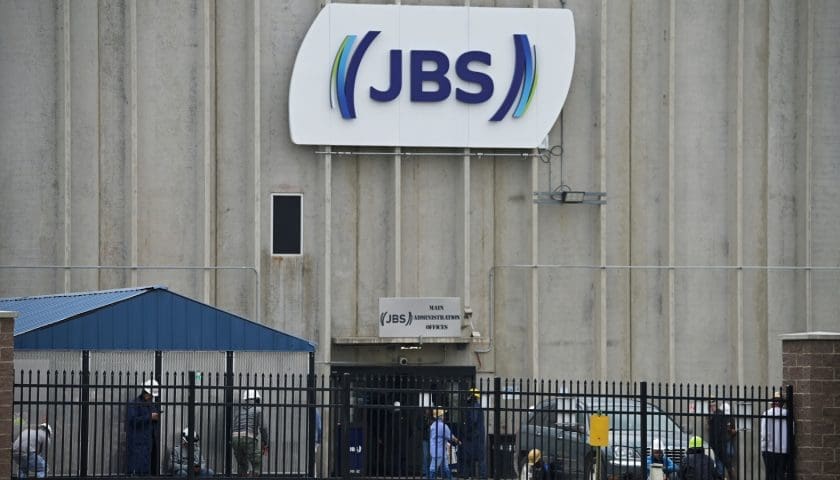
USA – JBS, the world’s largest meat processor, has signalled persistent difficulties in the US beef market despite achieving record sales in the region.
Wesley Batista, CEO of JBS USA, described the opening quarter of 2026 as “probably the most challenging” the US beef sector has faced in years, citing tight cattle supplies and low processing volumes.
The Brazilian company’s fourth quarter and full-year results highlighted excess processing capacity as a continuing concern, a challenge that prompted Tyson Foods to close its Lexington, Nebraska, plant.
Batista told analysts that while JBS has no immediate plans to shut US facilities, the imbalance between processing capacity and cattle supply poses risks for the broader industry.
US cattle herds have declined in recent years, reducing available beef supply and driving retail prices higher, a trend reflected in Tyson’s operations.
Batista noted that four years ago, US processing capacity was around 33 million head, compared with roughly 27 million today, pointing to excess infrastructure relative to available livestock.
Tyson Foods’ president, Donnie King, stated in February that tight cattle supplies are expected to continue through 2026 and 2027, and the company scaled back its Nebraska and Texas operations to align with herd projections and improve efficiency.
JBS reported North American beef net sales of US$28.14bn last year, up 15.9% from 2024, while its global protein sales rose 12% to US$86.18bn, setting a new record.
Batista said JBS processed 2.3 million head of cattle in the US in 2025, down from 3.9 million in 2022, and the company now faces additional pressure from a strike at its Greeley, Colorado, facility.
He described the early months of 2026 as extremely challenging, with January and February showing significant negative spreads, although March data indicate some improvement.
Batista added that the combination of limited cattle availability and low processing rates has made the market more unpredictable, with sharp fluctuations in both cutout values and cattle prices.
Group CEO Gilberto Tomazoni pointed to Brazil and Australia as compensating for gaps in US supply, noting that Brazil processed about 42 million head last year, its highest volume ever.
Tomazoni said JBS’s Australian operations benefited from global supply imbalances and effective execution, contributing to profitability and helping stabilise the company’s global beef distribution.
Sign up HERE to receive our email newsletters with the latest news and insights from Africa and around the world, and follow us on our WhatsApp channel for updates

