Kenya targets 125% growth in pig sector by 2030 amid supply shortfall
Government outlines reforms to tackle feed costs, disease and market gaps
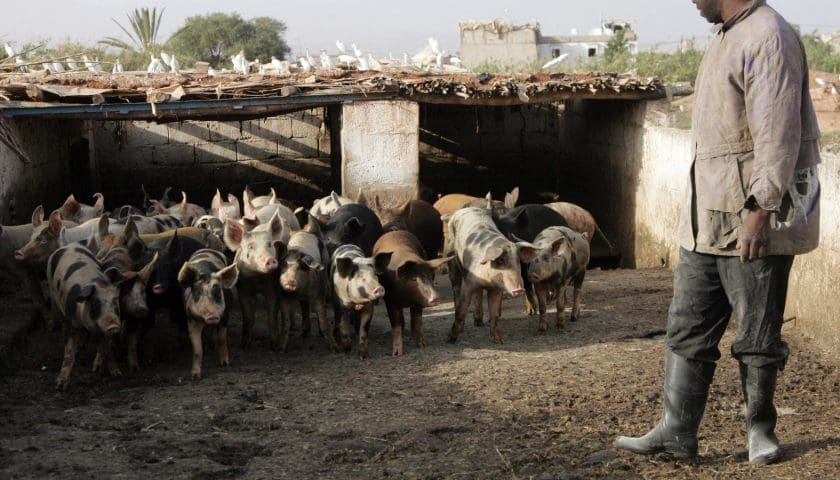
KENYA – Kenya is planning a major expansion of its pig industry, with authorities projecting output and consumption could rise by 125% by 2030 as efforts intensify to close supply gaps and fix long-standing inefficiencies.
This direction was outlined during a national stakeholder forum on the pig value chain, where Livestock Development Principal Secretary Jonathan Mueke said the sector remains one of the fastest-growing segments within agriculture despite persistent structural challenges.
He stated that the country’s pig population is currently estimated at 981,182 animals, forming the base of a value chain that continues to attract attention from investors and policymakers.
Available data shows pork demand in 2025 is expected to reach about 38,500 metric tonnes, while production stands at roughly 23,000 metric tonnes, leaving a significant deficit in the domestic market.
The industry is valued at approximately US$154 million (KSh20 billion), although per capita consumption remains low at 0.4 kilograms compared to the global average of 0.8 kilograms.
Mueke said the gap between supply and demand points to untapped potential, particularly as urbanisation and changing diets drive higher consumption of animal protein.
He added that smallholder farmers, who account for about 80% of pig producers, rely on the value chain for income and employment, making it a key contributor to rural livelihoods.
Production constraints and risks
Even so, the sector continues to face limitations linked to poor breeding systems, expensive feed, limited extension services and gaps in farmer knowledge.
Disease outbreaks, especially African swine fever, remain a major concern due to weak biosecurity measures that lead to recurring losses.
The industry also operates largely outside formal systems, limiting many farmers’ access to financing, organised markets, and modern processing facilities.
Planned reforms and investment focus
In response, the government is prioritising interventions to improve productivity through better genetics, affordable feed solutions, and stronger animal health practices.
Efforts are also being directed toward expanding farmer training through extension services and digital platforms, while encouraging producer groups to improve efficiency and bargaining power.
Authorities are further seeking to connect farmers with processors through structured market systems, alongside investments in processing capacity and cold chain infrastructure to reduce losses.
Mueke said there will be a focus on increasing participation by women and youth through access to credit, skills development and enterprise opportunities within the value chain.
He added that strengthening food safety systems and traceability will be critical to building consumer trust and opening up both domestic and export markets.
Sign up HERE to receive our email newsletters with the latest news and insights from Africa and around the world, and follow us on our WhatsApp channel for updates.