Lake Victoria’s MV Uhuru moves 1,500 tonnes weekly, boosts EA Trade
Lake transport remains part of multimodal logistics in East Africa, complementing rail and road networks
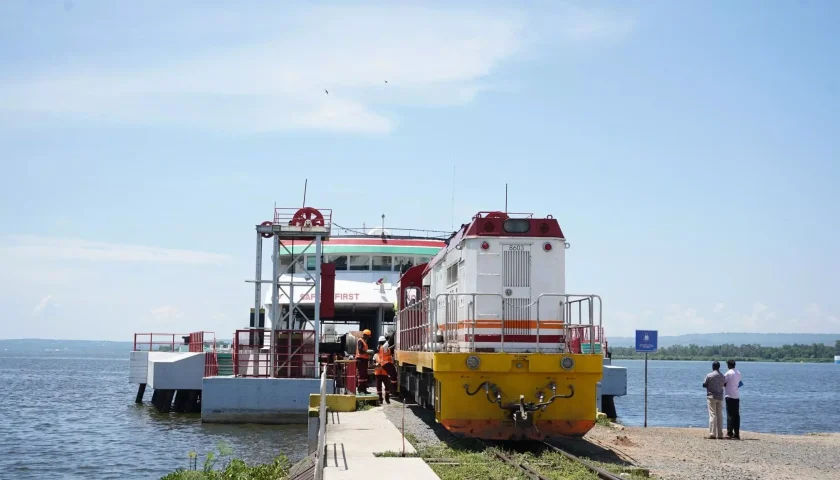
KENYA – MV Uhuru I and II vessels from Kisumu Port are supporting the movement of bulk cargo across Lake Victoria, providing a steady logistics link between Kenya, Uganda, and Tanzania.
For fresh produce exporters and food logistics investors, this lake transport network offers a cost-effective alternative to road transport for heavy commodities, thereby strengthening regional food supply chains and industrial cargo flows.
Lake Victoria: A Multimodal Corridor for Bulk Goods
According to Kenya Railways, the vessels transport a range of commodities including steel, sugar, cement, fuel, and grain. Each trip carries up to 1,500 tonnes, contributing to regional trade flows and supporting industrial supply chains. Operating on Lake Victoria routes, the vessels connect inland markets and facilitate cross-border cargo movement within East Africa.
The MV Uhuru vessels offer approximately 1,800 square metres of deck space and are designed to handle bulk cargo efficiently. Their operations provide an alternative to road transport, particularly for heavy, high-volume shipments.
Complementing Rail and Road Networks
Lake transport remains part of multimodal logistics in East Africa, complementing rail and road networks.
Kenya Railways said the vessels operate on a regular schedule, contributing to predictable cargo movement across the lake. The service is positioned as a cost-effective and reliable option for bulk cargo transport.
Urban Mobility and Rail Modernization
Earlier this week, the railways department posted on social media about the Kenya Urban Mobility Improvement Project (KUMIP), a World Bank initiative to address challenges facing urban mobility systems in the Nairobi Metropolitan Area.
As part of the project, stakeholders visited the Nairobi Central Workshop and the Standard Gauge Railway (SGG) workshops to observe maintenance and repair operations.
The visit aimed to improve understanding of railway operations, assess current maintenance capacity and service delivery, and identify areas where modernization and efficiency improvements can be supported.
Value for Fresh Produce Trade
The continued deployment of the MV Uhuru I and II, together with ongoing rail and urban mobility initiatives, reflects broader efforts to strengthen transport infrastructure across East Africa.
Integrated maritime, rail, and road networks reduce transit times for perishable goods, cut handling costs, and improve supply chain predictability.
As the World Bank-funded KUMIP project modernizes railway infrastructure, the region moves closer to a seamless multimodal system that benefits both fresh producers and industrial shippers.
Sign up HERE to receive our email newsletters with the latest news and insights from Africa and around the world, and follow us on our WhatsApp channel for updates.