

Mexico’s meat sector protests new livestock movement rules, Ivermectin mandate
Industry warns of supply chain strain as screwworm outbreak triggers tighter controls
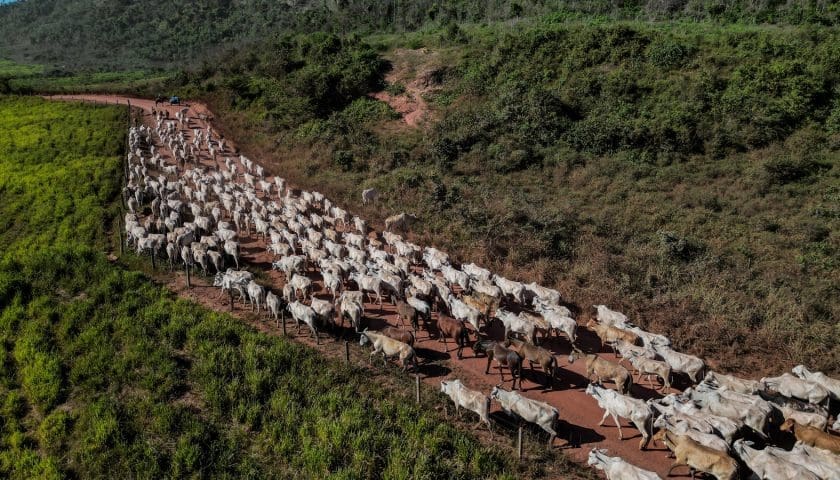
MEXICO – Mexico’s meat industry is objecting to new government rules restricting the movement of livestock, saying the measures could severely disrupt operations as the country grapples with a screwworm parasite outbreak near the U.S. border.
The Mexican Meat Council (AMEG) said in a statement that limits on transporting livestock from the south to the north of the country threaten the stability of an industry valued at about US$192 billion (in 2024).
According to AMEG, the recent government measures jeopardize the sector’s supply chain and fail to address the problem effectively, arguing that releasing sterile flies remains the only proven method to eliminate the screwworm population.
A government document dated September 19 and reviewed by Reuters shows that Mexico’s agriculture ministry and the national animal health agency, Senasica, have ordered all cattle to be treated with the antiparasitic drug ivermectin at least 72 hours before being moved, under the supervision of international animal health officials.
A Senasica spokesperson confirmed the directive, saying it was part of the country’s intensified containment strategy, though the rule has caused concern among ranchers and transporters.
An industry representative, who requested anonymity, said the ivermectin requirement would delay cattle movements significantly, adding new pressure to meat production and distribution schedules.
The controversy comes as the United States blames Mexico for failing to control the spread of the flesh-eating screwworm after a confirmed case was found in Nuevo Leon, about 113 kilometers from the Texas border.
U.S. Agriculture Secretary Brooke Rollins said last week that Mexico had not done enough to regulate cattle movements or maintain fly traps used to monitor wild screwworm populations.
Tensions at the Border
The parasite has not yet crossed into the United States, but the risk has kept the U.S. border largely closed to Mexican cattle imports since May, further squeezing Mexico’s beef sector.
Mexico continues to battle the outbreak, which has been moving north from Central America, posing a multibillion-dollar threat to its livestock industry.
U.S. ranchers and advocacy groups such as R-CALF USA have called on Washington to pressure Mexico to halt northbound cattle movement and curb the illegal trafficking of livestock from other Latin American countries.
President Claudia Sheinbaum recently said that her administration is preparing additional measures to combat the outbreak but acknowledged that stopping livestock transfers across regions is not an easy task.
Senasica told Reuters that fly traps are inspected every three to four days in coordination with U.S. authorities and that double inspections are being carried out at the livestock points of origin to prevent further spread.
Sign up HERE to receive our email newsletters with the latest news and insights from Africa and around the world, and follow us on our WhatsApp channel for updates.