
Morocco to import more cattle as red meat demand climbs, EU prices soar
Moroccan beef importers are turning to Brazil as European supplies grow too costly. Spain remains a short-term source, but volumes are falling fast.
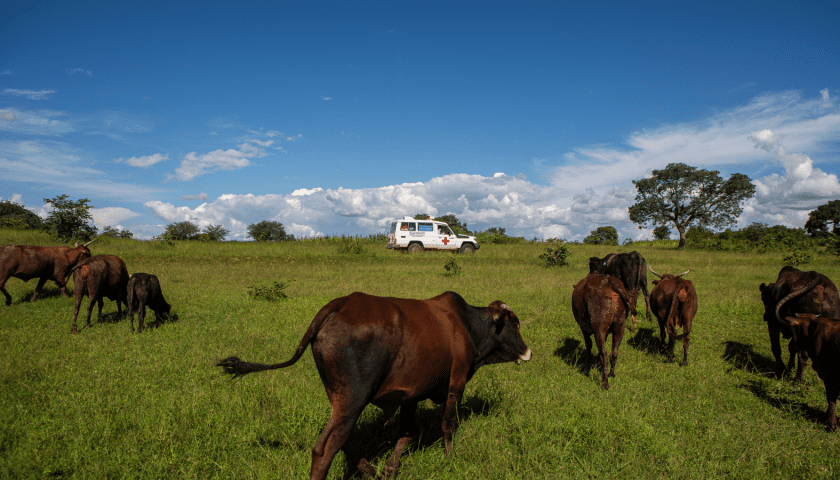
MOROCCO – Morocco is preparing to receive thousands of live cattle this summer to address a growing shortage of red meat as prices rise sharply across Europe.
With summer consumption increasing due to events like weddings, family gatherings, and the arrival of tourists and returning expatriates, local meat suppliers are racing to secure enough stock.
One shipment of around 1,300 calves from Spain is expected to arrive in the country next week, according to industry sources, with more importers planning to follow suit.
However, most European countries are now pricing themselves out of the market, forcing Moroccan traders to scale back or pause EU orders altogether.
Beef from Spain and local producers is currently selling at between US$8.48 and US$8.97 (85 to 90 Moroccan dirhams) per kilogram, while Brazilian beef is going for significantly less at US$6.99 to US$7.49 (70 to 75 Moroccan dirhams).
This price gap is encouraging a growing shift toward Brazilian suppliers, who are now playing a larger role in filling Morocco’s meat supply gap.
The country plans to bring in more than 30,000 heads of cattle over the summer, with imports becoming a key tool in stabilising availability after a recent spike in demand.
That demand has intensified in the weeks following Eid al-Adha, where many households skipped the traditional sacrifice, leaving commercial meat sales to carry the burden.
Brazil emerges as top alternative
As European supply lines become harder to maintain, Brazilian exporters have seen their share of the Moroccan market grow, helped by competitive pricing and direct-slaughter-ready livestock.
A report by Scott Consultoria, a Brazilian agricultural research firm, ranked Morocco as the third-largest buyer of Brazilian live cattle in May 2025, with over 14,000 animals purchased for more than US$16 million.
Most of these shipments came from the northern state of Pará, where average animal weight exceeded 520 kilograms, suggesting that Moroccan buyers are importing for immediate slaughter rather than fattening.
Some traders also sourced cattle from the state of Tocantins, where prices hit US$3.08 (16.75 Brazilian reais) per kilogram, above the Brazilian market average.
Sector observers believe that Morocco’s growing dependence on Brazilian cattle is a practical response to rising costs and lower domestic purchasing power.
Discussions are now underway among importers to review long-term sourcing strategies, with diversification being considered to avoid future supply bottlenecks.
Sign up HERE to receive our email newsletters with the latest news and insights from Africa and around the world, and follow us on our WhatsApp channel for updates.