
South African processed meat supply shows signs of recovery
Polony and vienna shortages are avoided, but consumers may have to settle for unfamiliar brands.
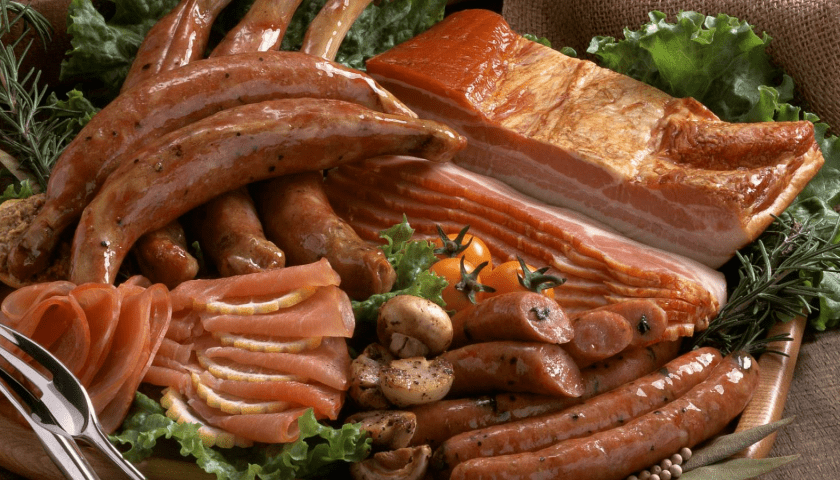
SOUTH AFRICA – South Africa’s supply of processed meats like polony and viennas is gradually stabilising following disruptions in the availability of a key imported ingredient.
The country narrowly avoided a full-scale shortage after delays in the importation of mechanically deboned meat (MDM) from Brazil affected production lines across the ready-to-eat meat industry.
MDM is a foundational raw material used in high-volume meat products, and South Africa relies heavily on Brazilian shipments to keep its domestic production running.
In response to the disruptions, meat processors and government officials moved swiftly to secure alternative international suppliers and ensure that local manufacturers could resume operations.
Industry players say that although the worst has been prevented, shoppers should still expect gaps on supermarket shelves and may need to purchase brands they are not used to.
This temporary brand unavailability stems from manufacturers prioritising continuity of supply over brand-specific production while dealing with the shortage of MDM.
At the same time, processors warn that global trade issues, shipping delays, and exchange rate volatility could continue to affect both supply and pricing in the near future.
Some companies have flagged that polony and vienna prices may fluctuate as a result of higher logistics costs and sourcing from more expensive alternative suppliers.
Why the Disruption Happened
The issue began when a breakdown in logistics channels slowed down the usual imports of MDM from Brazil, putting pressure on production for several weeks.
South African processors acted quickly to prevent a repeat of past crises such as the listeriosis outbreak linked to contaminated processed meat in 2017–2018.
New agreements with alternative suppliers helped reduce the risk of a full-blown shortage, though the rapid response did not come without complications.
The South African Meat Processors Association has confirmed that producers are closely monitoring the situation and will continue to work with authorities to avoid further supply instability.
Consumers are advised to remain flexible when shopping for processed meats and may have to settle for different brands than they normally buy.
Although there is no immediate concern of empty shelves, the meat industry is still working through the aftereffects of the supply disruption.
As of now, there are no indications that the issue will escalate again, but producers caution that full recovery will depend on steady global trade conditions.
Prices of polony and similar products currently range from about US$1.20 to US$3.00, depending on the brand and packaging, but could shift if supply remains inconsistent.
Sign up HERE to receive our email newsletters with the latest news and insights from Africa and around the world, and follow us on our WhatsApp channel for updates.