

North Korean fish struggles to gain ground in China
Higher prices and strong local competition limit market traction
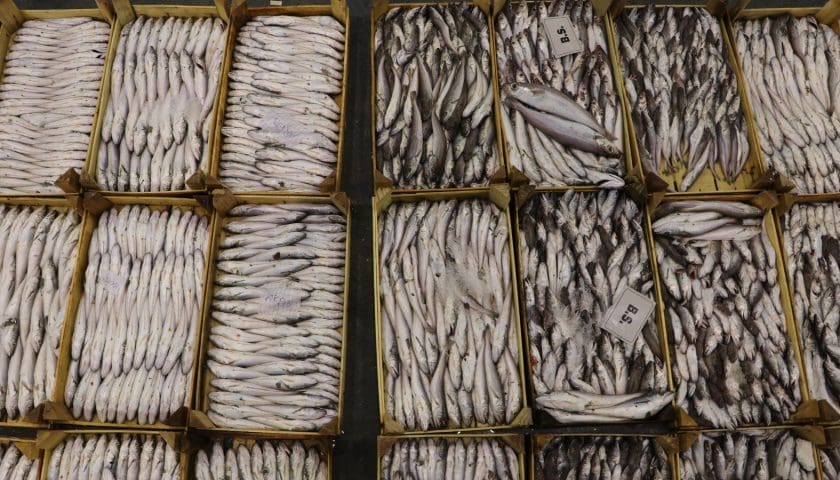
NORTH KOREA – North Korean dried mudfish sourced from experimental rice paddy fish farms has started appearing in parts of northeastern China, yet early sales indicate the product is failing to attract consistent consumer interest.
Shipments have been distributed through speciality outlets dealing in North Korean goods in cities such as Dandong in Liaoning province and Changbai and Hunchun in Jilin province, reflecting Pyongyang’s efforts to expand exports tied to its agricultural initiatives.
The fish is produced in the Hwanghae provinces, where integrated rice and aquaculture systems are promoted as a low-input farming method that combines crop cultivation with fish rearing in flooded paddies.
Despite the rollout into Chinese retail channels, traders report that customer uptake remains limited, with most buyers showing little familiarity or urgency to purchase the dried mudfish products.
Pricing pressures and market competition
Retail prices vary by size and processing quality, with 600-gram packages priced between US$9 (65 yuan) and US$16 (120 yuan), placing them above many comparable domestic alternatives.
Local suppliers from Chinese provinces such as Hunan, Zhejiang, and Sichuan dominate the segment with lower-priced products, making it difficult for imports to compete on value.
Sellers have attempted to promote the fish as a rare or speciality item through online advertising and in-store marketing.
Still, these campaigns have generated only modest sales volumes so far.
One retailer indicated that while promotional efforts have been ongoing, the product has yet to establish itself as a regular purchase and is more likely to be considered for occasional use, such as holiday gifting.
Export strategy raises questions
The presence of these goods in China highlights North Korea’s continued emphasis on exporting agricultural products to earn foreign currency, even as domestic supply considerations remain secondary.
Rice paddy fish farming has been presented internally as a way to improve food production efficiency by using fish waste as fertilizer and reducing dependence on chemical inputs.
However, much of the harvested fish is processed and shipped abroad rather than consumed locally, reflecting the government’s focus on generating external revenue.
Industry observers caution that while export volumes may increase over time, the lack of competitive pricing and limited consumer demand could restrict earnings potential.
As a result, expectations that dried mudfish exports will significantly contribute to foreign currency income appear uncertain given current market conditions.
Sign up HERE to receive our email newsletters with the latest news and insights from Africa and around the world, and follow us on our WhatsApp channel for updates.