

Senegal launches first marine aquaculture pilot project with floating fish cages
The initiative aims to build local expertise and expand aquaculture output by 2030.
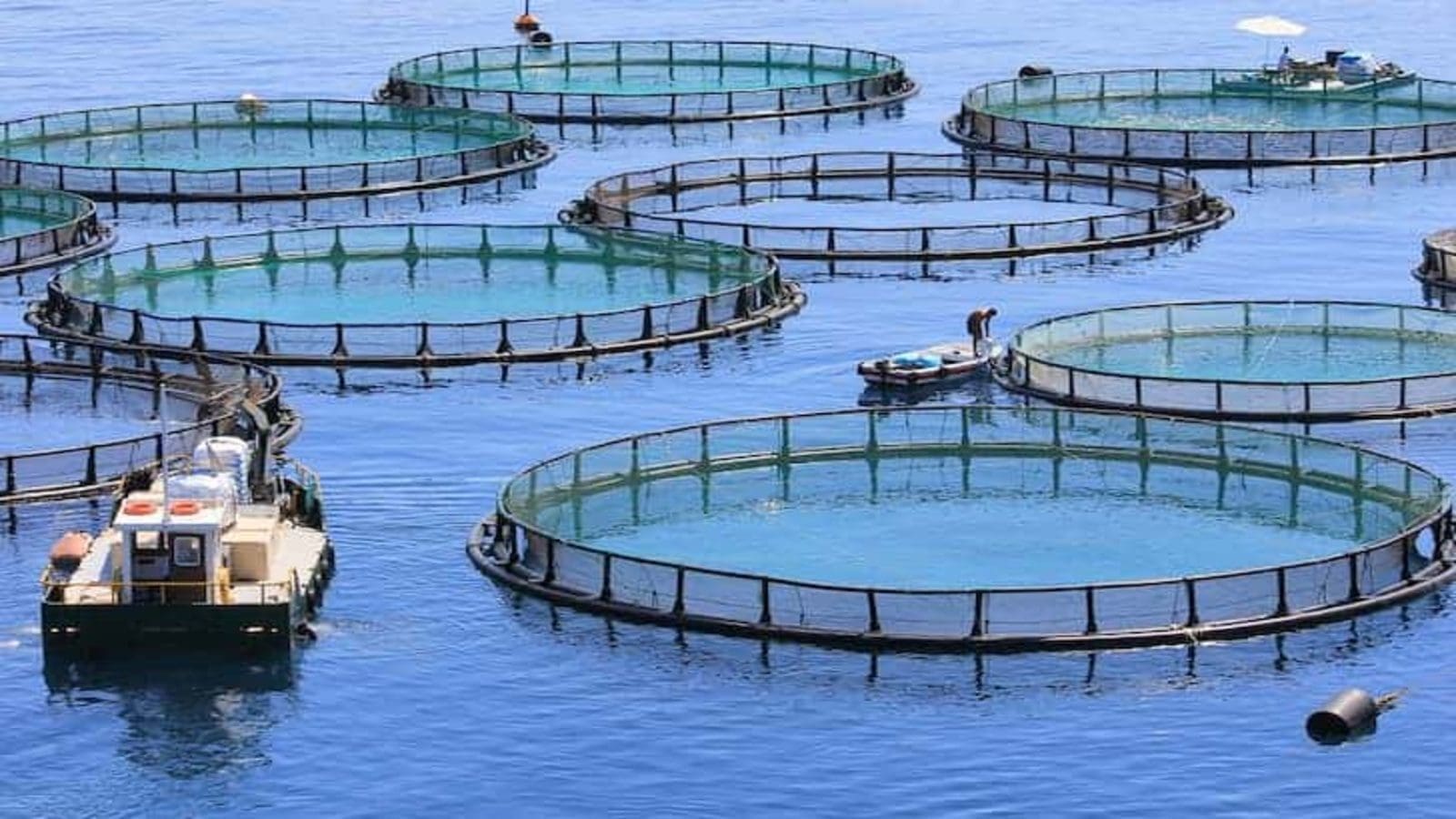
SENEGAL – Senegal has begun testing marine aquaculture for the first time as part of efforts to develop alternative fish production systems and reduce pressure on traditional fishing resources.
The National Aquaculture Agency (ANA) announced on 27 July that the country had installed its first floating cages in the coastal waters of Diakhanor, located in the municipality of Palmarin.
The pilot project is being implemented in partnership with Atlantic Mariculture, a Senegalese aquaculture company, and will assess the technical and economic feasibility of expanding marine fish farming on a larger scale.
The initiative follows several months of preparation, with ANA director general Samba Ka announcing in April 2026 that equipment for the project had arrived.
The pilot farm consists of two floating cages measuring 25 metres in diameter, with investment estimated at more than FCFA 350 million (US$607,000).
Local authorities have also supported the project, with the municipality of Palmarin allocating 300 hectares for its development.
According to the ANA, the marine aquaculture facility could create about 400 direct jobs and up to 1,000 indirect jobs if supporting activities across the value chain are developed.
Expanding beyond traditional aquaculture systems
The project marks a shift for Senegal’s aquaculture sector, which has mainly relied on inland farming systems, including ponds, pools and floating cages placed in rivers.
By moving into marine farming, Senegal aims to utilise its coastal resources and introduce new production methods that could increase commercial fish output.
The Food and Agriculture Organization (FAO) has identified floating cage systems as having strong productivity potential because tides and coastal currents provide continuous water exchange, although successful operations depend on effective feeding practices and technical management.
Marine aquaculture also creates opportunities to farm higher-value species such as sea bass, sea bream and salmon, expanding beyond commonly farmed freshwater species including tilapia and catfish.
The development of marine farming could also support exports, as demand for farmed marine species remains strong in regional and international markets.
Government targets major aquaculture growth
The floating cage project forms part of Senegal’s Strategic Aquaculture Development Plan 2026-2030, approved in May 2026, which aims to increase national aquaculture production more than sixfold.
Under the plan, Senegal targets annual aquaculture output of 20,000 tonnes by 2030, up from 3,049 tonnes recorded in 2025.
To support this expansion, the ANA plans to attract FCFA 36.51 billion (US$64.9 million) in private sector investment across the aquaculture value chain.
The agency also aims to produce 52 million fingerlings annually and encourage the development of local fish feed manufacturing to reduce reliance on imported inputs.
Senegal’s challenge will now be to transform the Palmarin pilot farm into a commercially viable operation that complements existing aquaculture and fishing activities.
The country’s fish supply still depends heavily on capture fisheries, which produce nearly 500,000 tonnes annually, while farmed fish production remains below domestic demand levels.
Sign up HERE to receive our email newsletters with the latest news and insights from Africa and around the world, and follow us on our WhatsApp channel for updates.
