Thailand uses Luzhou Port as an inland China gateway, slashing fruit transit times
This streamlines documentation and reduces delays at entry points.

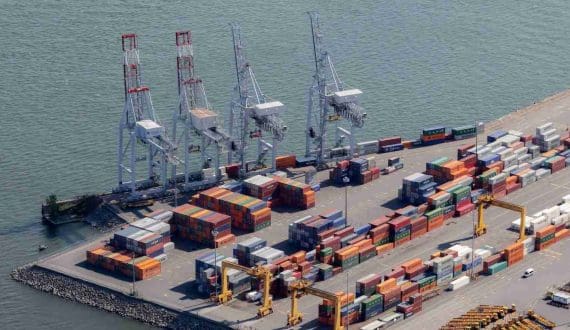
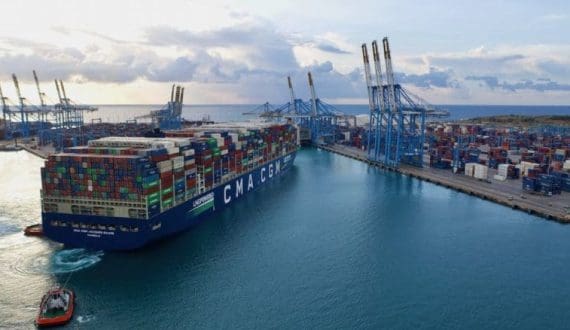
THAILAND – According to the Department of International Trade Promotion under the Ministry of Commerce, Thailand has positioned Luzhou Port in Sichuan Province as a logistics hub to support access to inland China.
For fresh-produce exporters and food logistics investors across the Middle East and Africa, this multimodal corridor offers a replicable model for reaching large, landlocked markets with time-sensitive perishables.
Multi-Modal Connectivity: Rail, Road, and River
Located at the confluence of the Yangtze and Tuo rivers, Luzhou is a multimodal hub linking sea, road, and rail networks.
Its integration with the China-Laos Railway enables Thai exports to travel from the Nong Khai–Vientiane border via Kunming to Luzhou. This route supports shipments of fresh fruit, with transport times for perishables such as durian and mangosteen significantly shorter than on maritime routes via eastern China.
For food businesses, faster transit directly translates into longer shelf life upon arrival and a lower risk of spoilage. Luzhou also serves as a distribution hub for Sichuan and Guizhou, providing direct access to inland markets without relying on coastal ports.
Customs Clearance and Freight Incentives
The port serves as an inland customs centre, allowing exporters to complete clearance procedures at the point of origin rather than at coastal ports. This streamlines documentation and reduces delays at entry points.
Local authorities in Sichuan and Luzhou offer freight incentives to attract cargo, thereby lowering overall logistics costs for high-value perishable shipments.
For bulk and non-urgent shipments, including fertilizers and processed goods, river-to-sea routes via Shanghai remain in use because of lower transport costs. However, higher-value goods are increasingly transported by rail via Luzhou.
Competitive Positioning and Outlook
Luzhou competes with other logistics hubs, including Chongqing Port and rail services in the China Railway Express network.
The Department of International Trade Promotion advises Thai exporters to use Luzhou as a distribution hub, leveraging rail connectivity and regional proximity to facilitate market access and the flow of products into inland China.
For investors in Middle Eastern and African food, the Luzhou model demonstrates how rail-linked inland ports can bypass congested coastal gateways, reduce transit times, and preserve cold-chain integrity.
As Africa develops its inland logistics corridors, similar strategies could unlock value for exporters of avocados, citrus, and flowers serving distant landlocked markets.
Sign up HERE to receive our email newsletters with the latest news and insights from Africa and around the world, and follow us on our WhatsApp channel for updates.