US egg output rises 2% in January – USDA
Broiler hatchings edge higher while egg-type chicks decline

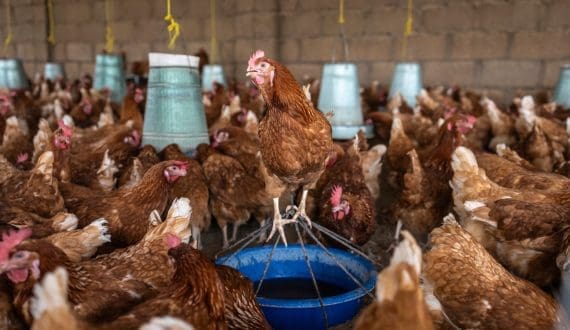
USA – Egg production in the United States reached 9.20 billion units in January 2026, marking a 2% increase compared with the same month last year, according to data released by the USDA National Agricultural Statistics Service.
The total comprised 7.88 billion table eggs and 1.31 billion hatching eggs, including 1.19 billion broiler-type eggs and 121 million egg-type eggs, reflecting steady growth across most major categories.
The average layer flock during January stood at 375 million birds, up 1% from a year earlier, while output per 100 layers reached 2,455 eggs, also 1% higher than in January 2025.
As of Feb. 1, the national layer inventory was recorded at 373 million head, a 2% rise year on year, consisting of 308 million table egg layers, 60.5 million broiler-type hatching egg layers and 4.95 million egg-type hatching egg layers.
On the same date, the daily laying rate averaged 78.9 eggs per 100 layers, representing a slight increase from the previous year.
Hatchery activity
Egg-type chick hatchings totalled 53.5 million in January, down 6% from the prior year, while the number of egg-type eggs in incubators on Feb. 1 reached 57.5 million, up 2% compared with the same period in 2025.
Leading breeders placed 205,000 egg-type pullet chicks into future hatchery supply flocks during the month, a 3% increase from January last year.
Broiler-type chick hatchings amounted to 888.6 million in January, rising 2% year on year, with 760.1 million broiler-type eggs in incubators at the start of February, also 2% higher than a year earlier.
Breeder placements of broiler-type pullet chicks intended for domestic hatchery supply flocks totalled 8.10 million in January, up 4% from the same month in 2025.
Ethiopia market access
The production update follows an earlier announcement from the United States Department of Agriculture confirming that Ethiopia has approved new veterinary health certificates allowing imports of selected US livestock products, including live cattle, day-old chicks, hatching eggs, bovine semen and bovine embryos.
The certification agreement was finalised on Dec. 23, 2025, and came three months after the US expressed support for Ethiopia’s US$10 billion Bishoftu International Airport project near Addis Ababa, representing the first major commercial engagement by the current administration in the Horn of Africa.
Ethiopia’s livestock population includes approximately 70 million cattle, 43 million sheep, 53 million goats, eight million camels and 57 million poultry, with the sector contributing about 45% of agricultural gross domestic product, although output is constrained by low-yield breeds, feed shortages, limited veterinary coverage and processing capacity gaps as authorities pursue expansion in dairy, beef and poultry production.
Sign up HERE to receive our email newsletters with the latest news and insights from Africa and around the world, and follow us on our WhatsApp channel for updates.