

U.S. to drop specific daily alcohol limits in new dietary guidelines – report
Upcoming U.S. dietary guidelines may replace specific drink limits with general caution on alcohol-related health risks.
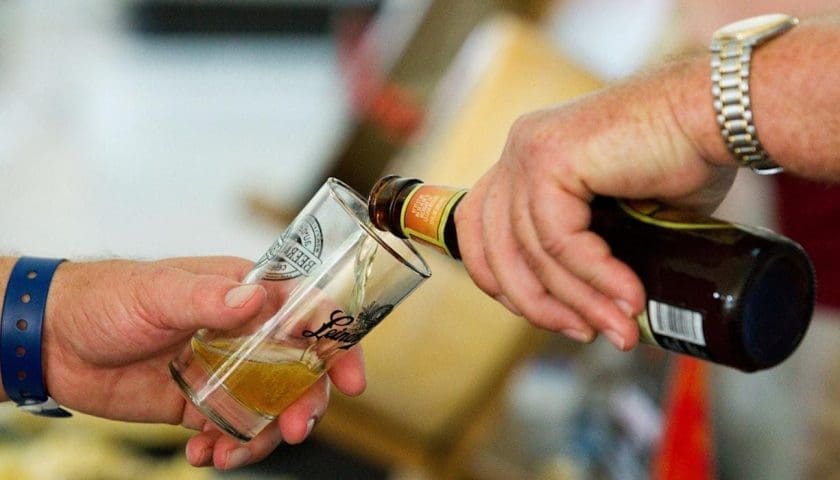
USA – The U.S. government is expected to eliminate its longstanding recommendation of specific daily alcohol intake limits in its forthcoming Dietary Guidelines for Americans, according to multiple sources cited by Reuters.
According to the sources, the revised guidelines developed by the Department of Health and Human Services (HHS) and the Department of Agriculture (USDA) may be released as early as this month.
Instead of outlining the current daily thresholds—one drink for women and two for men—the new guidance is anticipated to include a brief statement advising Americans to moderate or limit alcohol consumption due to associated health risks.
Two of the sources and a fourth individual involved in the process stressed that the guidelines remain under review and are subject to change before publication. The shift marks a potential departure from decades-old recommendations that have shaped public health advice since 1990.
The current U.S. advice mirrors recommendations in several countries, including the United Kingdom, which advises no more than 14 units of alcohol per week. In contrast, Canada has adopted stricter language, warning that risks begin to rise after just two drinks per week.
Even moderate alcohol use has been linked to increased risks of health conditions such as breast cancer. Some studies, however, have suggested possible benefits from light consumption, such as a reduced risk of certain cardiovascular events.
One source noted that the change is aimed at ensuring that the guidelines are supported by the strongest available scientific evidence. The decision to eliminate specific daily limits may reflect limitations in the current research linking exact quantities of alcohol to health outcomes.
The guidelines are updated every five years and influence a wide range of policies, from public nutrition programs to clinical advice. As such, they are closely watched by health advocates and industry groups worldwide.
Major alcohol companies, including Diageo and Anheuser-Busch InBev, have actively lobbied lawmakers during the review process.
Senate records indicate these firms spent millions in 2024 and 2025 lobbying on various issues, including tax, trade, and the dietary recommendations.
Some health officials, including former U.S. Surgeon General Vivek Murthy, have called for stronger warnings about alcohol, citing its role in increasing the risk of at least seven types of cancer.
Sign up HERE to receive our email newsletters with the latest news and insights from Africa and around the world, and follow us on our WhatsApp channel for updates.