South African poultry industry plans for domestic sales amid Middle East conflict
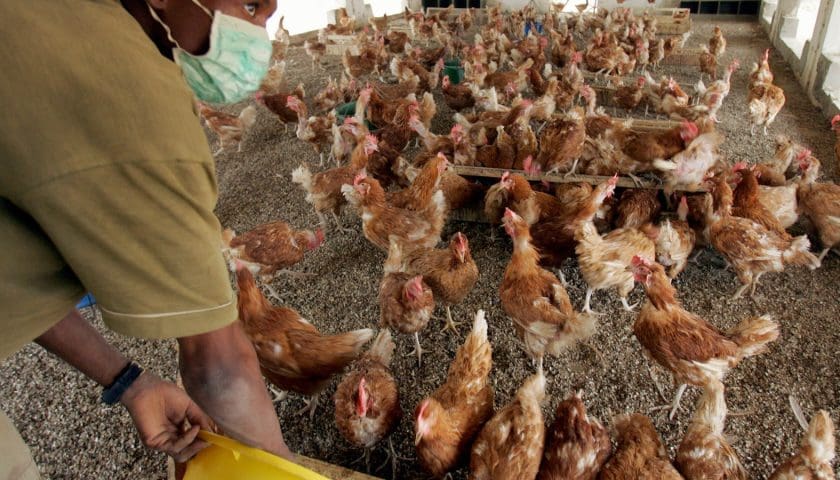
SOUTH AFRICA – South African poultry leaders are preparing contingency measures to sell products domestically if escalating conflicts in the Middle East disrupt shipments to the United Arab Emirates, which currently receives around 50,000 tonnes of cooked chicken each year.
Izaak Breitenbach, CEO of the South African Poultry Association, said the industry has strategies to reroute produce to the local market in case shipping routes are blocked, ensuring products are not wasted.
He added that any chicken unable to reach the UAE would be processed and packaged locally as frozen or value-added foods until trade routes stabilize.
The remarks coincide with the release of a Bureau of Food and Agricultural Policy report commissioned by SAPA that examines growth and challenges in the country’s poultry sector.
According to the report, consumer demand for poultry in South Africa has increased by 8.8% over the past decade, but this growth lags behind production, which rose 11.8% over the same period.
Annual compound growth in poultry consumption has slowed by about 1.1% compared with the previous decade, indicating weaker demand in recent years.
The study ranks South Africa as one of the world’s top poultry producers, placing second only to Brazil among benchmarked countries, including the Netherlands, Germany, Poland, and the United States.
Dr. Tracy Davids, BFAP executive director, explained that competitiveness was assessed using factors such as technical and economic efficiency, feed costs, chick prices, and total production expenses.
She noted that the benchmarking program began in 2015 and has been updated two to three times with contributions from Dr. Peter van Horne of Wageningen University in the Netherlands.
Despite challenges such as global supply chain disruptions, power shortages, and prolonged droughts, production growth over the past decade has continued, driven in part by the 2019 Poultry Industry Masterplan, developed with government and industry stakeholders.
The sector generated revenue of over US$3.7 billion (R68 billion) in 2024 and accounted for approximately half of all animal feed consumed by domestic feed manufacturers.
Breitenbach reported that the industry’s turnover rose from US$3.55 billion (R65 billion) in 2019 to US$4.04 billion (R74 billion) in 2025.
Employment within the poultry sector includes 56,000 direct jobs and an estimated 110,000 positions in related industries along the value chain.
Weekly slaughter volumes have reached record levels, increasing from 19.7 million birds in 2019 to 23 million today.
Domestic meat consumption faces pressure from declining household purchasing power, although population growth is expected to sustain demand over the next decade.
Breitenbach said that if Middle East trade stabilizes, the industry is also exploring additional export markets across the region, as well as Europe and the United Kingdom, though Davids cautioned that entering new markets requires long-term planning due to regulatory and operational delays.
Sign up HERE to receive our email newsletters with the latest news and insights from Africa and around the world, and follow us on our WhatsApp channel for updates.