GCC ministers convene emergency meeting to safeguard transport corridors amid regional military tensions
For logistics operators, these measures translate to clearer contingency protocols.
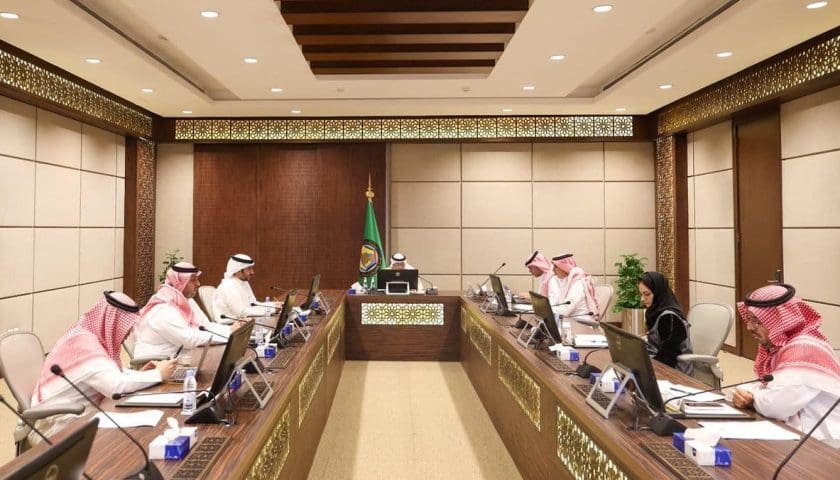
SAUDI ARABIA – The Gulf Cooperation Council has activated emergency measures to protect regional supply chains following escalating military tensions, with transport ministers convening to ensure uninterrupted flow of food, medicine, and fuel across land, sea, and air entry points.
Jassem Al-Budaiwi, GCC Secretary-General, emphasized that the transport and logistics sector represents a cornerstone of economic security and a key driver in enhancing resilience under all circumstances.
Speaking during an extraordinary meeting of GCC Ministers of Transport and Communications, he noted that more than 35 intensive coordination meetings have been held since the crisis began, reflecting advanced institutional readiness.
Green Lanes Protocol and Alternative Ports
The emergency meeting, chaired by Bahraini Minister Sheikh Abdullah Al Khalifa, addressed operational challenges including activation of the Green Lanes Protocol, a framework designed to expedite movement of essential goods across borders during crises.
Member states also discussed utilizing alternative ports to bypass compromised routes, ensuring that even if primary shipping lanes face disruption, cargo can be rerouted through existing infrastructure.
For logistics operators, these measures translate to clearer contingency protocols. Green Lanes reduce inspection delays for food and medical shipments, while designated alternative ports provide pre-identified fallback options when primary hubs face risk.
Border Readiness and Institutional Coordination
Al-Budaiwi stressed that maintaining smooth land, sea, and air transport is no longer optional but a strategic necessity.
“The current stage requires enhanced field-level coordination and rapid implementation of measures to achieve a more efficient and flexible collective response,” he said
Border crossings have been prioritized for readiness upgrades, with member states coordinating to ensure customs procedures, inspection protocols, and security measures remain functional under pressure. This institutional coordination extends to real-time information sharing on vessel movements, port congestion, and road conditions.
Food and Energy Security Implications
For stakeholders across the fresh produce and logistics sector, the GCC’s coordinated response addresses the most vulnerable point in regional supply chains: the Strait of Hormuz, through which a significant portion of food imports and energy shipments transit. By activating alternative routes and streamlining border processes, the council aims to prevent supply shocks that could trigger price volatility and shortages.
Looking Ahead
The emergency meeting signals a shift from crisis response to structural resilience
As alternative routes and coordinated procedures become embedded in regional logistics planning, the capacity to absorb external shocks strengthens across the entire supply chain.
Sign up HERE to receive our email newsletters with the latest news and insights from Africa and around the world, and follow us on our WhatsApp channel for updates.