

Maritime logistics face rising costs, delays as vessels avoid Red Sea, Suez Canal
Several vessels remain blocked in the Gulf, further tightening cargo capacity.
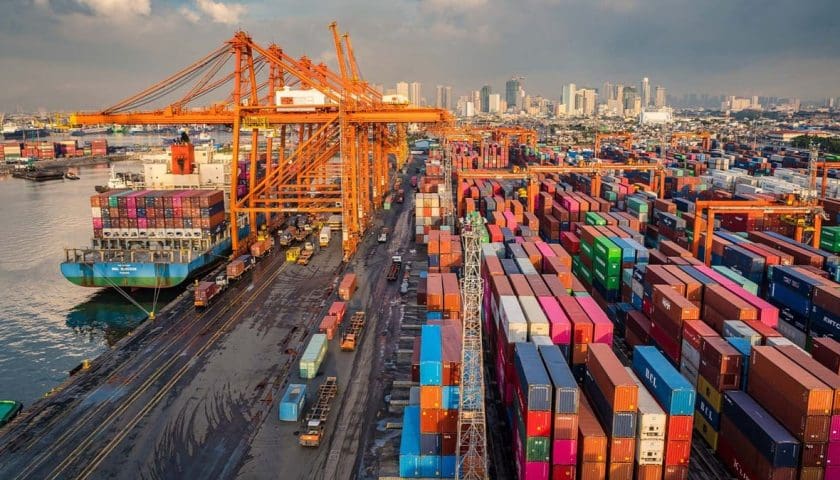
GLOBAL – Maritime transport, which carries 80% of global trade, is experiencing significant cost pressures as geopolitical tensions force shipping lines to avoid the Red Sea and Suez Canal.
Fuel costs have risen an average of 20% for vessels, with overall shipping expenses expected to climb as carriers reroute through longer passages.
Routes Most Affected
While shipping between Asia and North America has seen minimal impact, trade lanes connecting Asia to Africa and Asia to Europe face the most severe disruption.
Cyrille Poirier Coutansais of the French defense ministry’s maritime security research centre explained that ports in the Gulf and Red Sea frequently serve as transfer zones for these routes, making them particularly vulnerable to regional instability.
Several vessels remain blocked in the Gulf, further tightening cargo capacity.
Extended Transit Times
Shipping companies, choosing to avoid the Red Sea and Suez Canal, must navigate around the southern tip of Africa, a route that significantly extends delivery timelines. For fresh produce and perishable goods, these longer voyages test cold chain integrity and reduce shelf life upon arrival.
Implications for Food Prices and Margins
For food industry investors and hospitality operators, rising shipping costs translate directly into margin pressure.
When freight expenses increase, suppliers either absorb the cost, reducing profitability or pass it to buyers, raising land prices for imported fruits, vegetables, and processed goods.
Long-Term Risks for Africa-Asia Trade
The Africa-Asia corridor faces vulnerability. Many African importers rely on Asian origins for rice, palm oil, packaged foods, and agricultural inputs.
Extended transit times and increased costs could shift sourcing patterns, with buyers potentially seeking regional alternatives or accepting higher prices for Asian goods.
As for African exporters targeting Asian markets, longer routes erode competitiveness, particularly for perishable horticultural products.
Mitigation Strategies for Food Investors
To navigate supply chain delays and disruptions, food industry stakeholders are adopting several strategies.
Diversifying supplier bases reduces dependence on any single trade lane. Forward contracting secures freight rates and vessel space in advance, insulating buyers from spot market volatility.
Additionally, some importers are exploring alternative ports and multimodal solutions that combine sea freight with regional distribution hubs to bypass congested or high-risk zones.
Outlook
As geopolitical tensions persist, maritime logistics will remain a critical variable in food supply chain planning.
For investors and hospitality operators across the Middle East and Africa, understanding route dynamics, freight cost trends, and mitigation options is essential to maintaining profitability and supply reliability in an increasingly volatile trade environment.
Sign up HERE to receive our email newsletters with the latest news and insights from Africa and around the world, and follow us on our WhatsApp channel for updates.